
The first crack of a baguette brings me back to a sun-soaked street in Paris, where the air is filled with the tantalizing aroma of freshly baked bread. This Crispy French Baguette with a Soft, Chewy Center is my own homage to that experience, allowing you to create artisanal bread right in your kitchen. It’s more than just a recipe; it’s a journey into the heart of French baking. With a gorgeous, crunchy crust that gives way to a delightful softness within, this baguette is ideal for dipping in soups or crafting gourmet sandwiches. Plus, it’s an impressive yet attainable project that brings the joy of homemade bread into your life, making it a perfect weekend endeavor. Are you ready to fill your kitchen with the warmth of freshly baked bread?
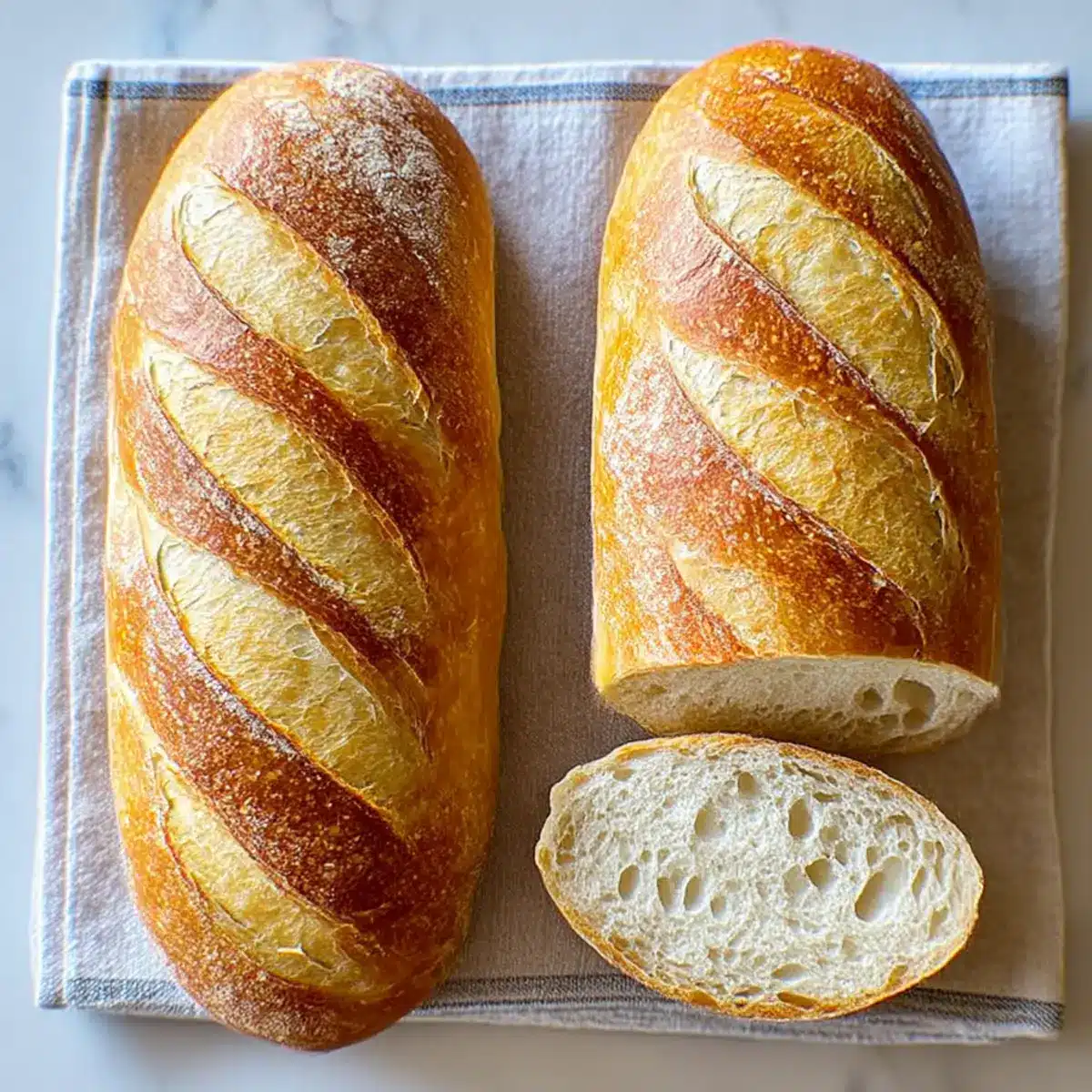
Why Make Your Own French Baguette?
Homemade Delight: There’s nothing quite like the aroma of freshly baked bread wafting through your kitchen. This recipe makes the process accessible for everyone, so you can experience that joy without a bakery.
Perfectly Textured: Enjoy a delightful contrast with a crispy crust and a soft, chewy center that pairs wonderfully with anything from vibrant soups to luxurious cheese spreads.
Impress Your Guests: Serve this baguette at your next gathering, and watch as it becomes the star of the meal. It’s perfect for creating gourmet sandwiches that will have everyone raving!
Creative Freedom: Feel free to experiment! Add your favorite fillings, like cheese or herbs, to personalize your baguettes. For more inspiration, check out my recipe for Cheesy French Onion – it’s a unique twist that your guests will love!
With just a few simple ingredients and steps, you can elevate your culinary skills and bring a taste of France to your home.
French Baguette Ingredients
• Create your own crispy French baguette at home with these essential ingredients.
For the Dough
- All-purpose flour (or bread flour) – Provides structure and chewiness; bread flour can enhance chewiness.
- Salt – Enhances flavor and strengthens gluten; no substitutions needed.
- Sugar – Balances flavor and aids in browning the crust; optional but can elevate the overall taste.
- Instant yeast (or active dry yeast) – Helps the dough rise; if using active dry yeast, proof in warm water first.
- Lukewarm water – Hydrates the flour, crucial for perfect dough texture; no substitutions to maintain quality.
Optional Toppings/Dusting
- Cornmeal or semolina flour – Ideal for dusting to prevent sticking; flour can be used if these aren’t available.
- Olive oil – Adds a subtle flavor and moisture during resting; it’s optional if you prefer a lighter loaf.
Now that you have your ingredients set, you’re on your way to baking a wonderful French baguette that will fill your home with warmth and enticing aromas!
Step‑by‑Step Instructions for Crispy French Baguette with a Soft, Chewy Center
Step 1: Make the Dough
In a large mixing bowl, combine all-purpose flour, salt, and sugar. If using instant yeast, add it directly; for active dry yeast, dissolve it in lukewarm water first. Gradually pour in the water while mixing until a shaggy dough forms, cohesive yet slightly sticky, around 3-4 minutes.
Step 2: Knead the Dough
Turn the dough out onto a well-floured surface and begin kneading. Work the dough for about 8-10 minutes, stretching and folding until it becomes smooth and elastic—this process is crucial for developing that desired chewy texture in your French baguette.
Step 3: First Rise
Place the kneaded dough in a lightly oiled bowl, rolling it to coat evenly with oil. Cover the bowl with a damp cloth or plastic wrap, then let it rise in a warm area for 1.5 to 2 hours, or until it has visibly doubled in size—look for a smooth, round shape.
Step 4: Shape the Baguettes
Once the dough has risen, gently punch it down to release excess air, then divide it into three equal pieces. Shape each piece into a log about 10-12 inches long, ensuring it’s uniform for consistent baking. Place the shaped logs on a floured towel or parchment paper to proof for 15 minutes.
Step 5: Preheat Oven
While the shaped baguettes are resting, place a baking stone or steel in the oven and preheat it to 475°F (245°C) for at least 30 minutes. This high temperature is essential for achieving that crunchy crust typical of a French baguette.
Step 6: Score the Loaves
After the baguettes have proofed, use a sharp knife or a razor blade to make 3-4 diagonal slashes on the top of each loaf. Scoring allows for controlled expansion during baking and enhances the baguette’s appearance, giving it that classic look.
Step 7: Bake with Steam
Carefully transfer the loaves to the hot baking stone or steel. For a perfect crust, pour a cup of hot water into a preheated tray at the bottom of the oven to create steam. Bake for 20-25 minutes, or until the baguettes are golden brown and sound hollow when tapped on the bottom.
Step 8: Cool
Once baked, remove the crispy French baguettes from the oven and let them cool on a wire rack. This step allows air circulation around the bread, ensuring a firm crust while the interior finishes its cooking process. Enjoy the enticing aroma filling your kitchen!
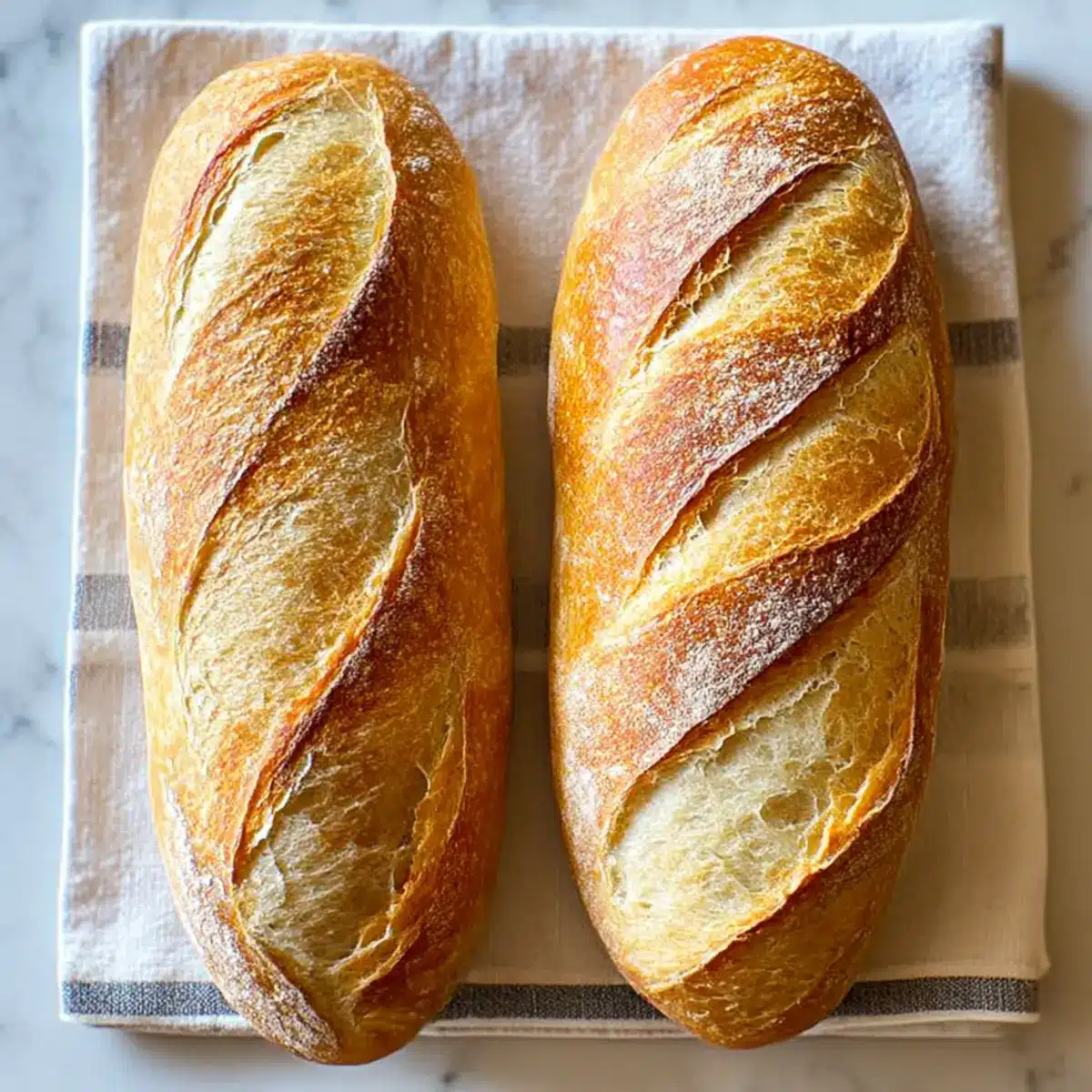
Expert Tips for French Baguette
Warm Water: Ensure your water for proofing yeast is warm, not hot, to avoid killing the yeast and ensure your French baguette rises beautifully.
Use Steam: Creating steam in the oven is crucial for developing that perfect crunchy crust. Don’t skip this step—pour hot water into a lower tray as the bread bakes.
Flour Variations: Experiment with bread flour for a chewier texture, or try incorporating whole wheat flour for a unique twist while maintaining the integrity of your French baguette.
Proper Measurement: Be precise when measuring flour; too much can lead to dry bread. Use a kitchen scale for accuracy if possible.
Shape Uniformly: When shaping your baguettes, ensure they are uniform in size. This ensures even baking and a pleasing presentation when served.
French Baguette Variations & Substitutions
Customize your crispy French baguette to your heart’s content and explore tantalizing twists in flavor and texture.
-
Herb-Infused: Add fresh chopped herbs like rosemary or thyme to the dough for an aromatic touch that’ll elevate your baguette. The fragrant notes will make each bite feel like a step into a French herb garden.
-
Cheesy Delight: Incorporate shredded cheese such as Gruyère or cheddar into the dough for a delicious twist. Picture the melty, gooey goodness as you tear into the baguette, enhancing your gourmet sandwiches or cheese platters!
-
Whole Wheat: Substitute half the all-purpose flour with whole wheat flour for a heartier version. Not only does it add a nutty flavor, but it also increases the nutritional profile, making your baguette delicious and wholesome.
-
Oven-Baked Garlic Bread: Just before baking, brush the baguette with garlic-infused olive oil for an irresistible garlic aroma. This simple step transforms your baguette into a perfect side for pasta or a savory appetizer.
-
Sweetened version: Add a tablespoon of honey or maple syrup for a subtly sweet note. It complements the crust’s browning, giving you a unique flavor perfect for pairing with butter or jams.
-
Spice it Up: Add a pinch of cayenne pepper or red pepper flakes into the dough for a hint of heat. The unexpected kick will surprise and excite your taste buds, making your baguette a showstopper at any gathering.
-
Nutty Crunch: Mix in toasted sunflower or pumpkin seeds to the dough. The delightful crunch will add texture and a healthy twist, making your baguette a standout choice for open-faced sandwiches.
As you explore these variations, don’t forget to check out my recipe for a delightful Cheesy French Onion – it’s a fantastic way to enjoy flavor-packed goodness! With each adaptation, you’re creating a baking story that’s uniquely yours.
How to Store and Freeze French Baguette
Room Temperature: Keep your French baguette in a paper bag at room temperature for up to 3 days. This prevents moisture buildup while maintaining a crisp crust.
Freezer: To store for longer, wrap the baked baguette tightly in plastic wrap and place it in an airtight freezer bag. It can be frozen for up to 3 months.
Reheating: To revive the crust when ready to enjoy, preheat your oven to 375°F (190°C) and bake the thawed baguette for about 10 minutes. This will give it a fresh, crispy exterior again.
Slicing Tip: Consider slicing your baguette before freezing to make it easier to use later for sandwiches or toast.
Make Ahead Options
These Crispy French Baguettes are ideal for busy home cooks looking to save time without sacrificing flavor! You can prepare the dough up to 24 hours ahead by following the first rise step, then refrigerate it in an oiled bowl covered tightly with plastic wrap. When you’re ready to shape the baguettes, simply bring the dough back to room temperature for about 30 minutes before proceeding with dividing and shaping. For optimal quality, avoid refrigerating shaped baguettes for too long; they can be left to proof for up to 1 hour before baking. This way, you’ll still achieve that delightful combination of a crunchy crust and a soft, chewy center when serving your homemade French baguettes!
What to Serve with Crispy French Baguette with a Soft, Chewy Center
There’s something magical about pairing a fresh baguette with delightful accompaniments that elevate every meal into a memorable experience.
-
Savory Cheese Platter: Tangy cheeses like goat or brie melt beautifully in your mouth, creating a stunning contrast with the baguette’s crust.
-
Herbed Olive Oil: A drizzle of infused olive oil, perhaps with garlic and herbs, makes for a simple yet indulgent dip that dances on your palate.
-
Rich Tomato Soup: The warm, comforting soup perfectly complements the crunchy baguette, transforming it into a dipper that adds a rustic flair to your meal.
-
Classic Charcuterie Board: Add cured meats and pickled vegetables for a sophisticated spread; this pairing creates an irresistible combination of flavors and textures.
-
Roasted Vegetable Medley: The sweetness of caramelized veggies harmonizes beautifully with the baguette’s chewy interior, creating a feast for both the eyes and the taste buds.
-
Light Green Salad: A crisp salad dressed in a zesty vinaigrette adds freshness to your meal while balancing the richness of the baguette.
For a delightful end to your dining experience, pair with French Macarons; their delicate sweetness is a wonderful way to close your culinary adventure with a French twist!
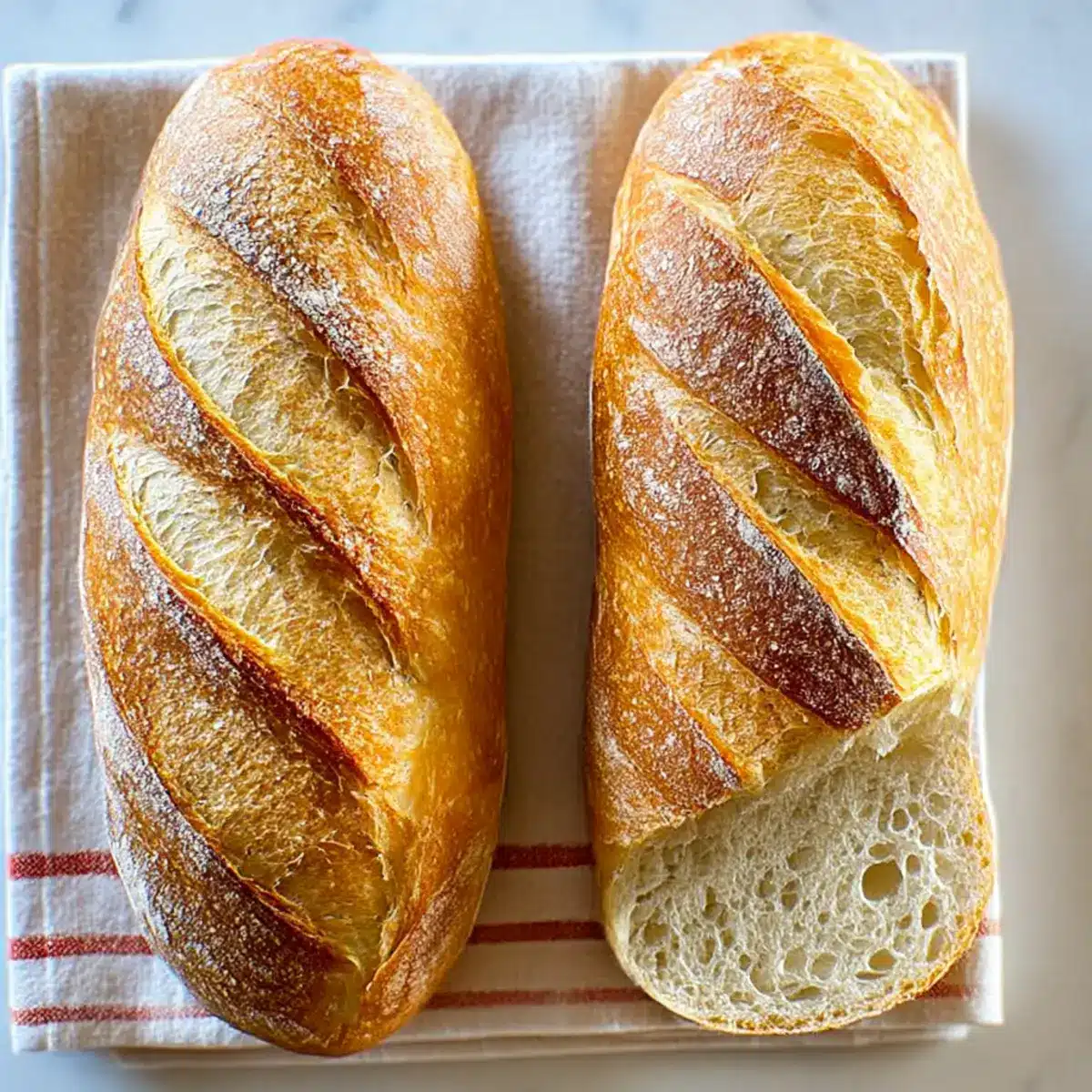
Crispy French Baguette with a Soft, Chewy Center Recipe FAQs
How do I choose the best flour for my French baguette?
I recommend using either all-purpose flour or bread flour for your baguette. Bread flour will give you a chewier texture, while all-purpose flour offers a lighter result. Look for flour that has a high protein content, around 12-14%, as this helps develop the gluten needed for that perfectly chewy center.
How should I store my baguette for optimal freshness?
To store your French baguette, keep it in a paper bag at room temperature for up to 3 days. This allows it to breathe and keeps the crust from getting soggy. Avoid plastic bags, as they trap moisture, which can lead to a chewy crust. For longer storage, wrap it tightly in plastic wrap and place it in an airtight freezer bag, where it can stay fresh for up to 3 months.
Can I freeze my French baguette?
Absolutely! To freeze your crispy French baguette, first let it cool completely. Then, wrap it tightly in plastic wrap to prevent freezer burn and place it in an airtight container or freezer bag. When you’re ready to enjoy it, preheat your oven to 375°F (190°C) and bake the thawed baguette for about 10 minutes to restore its crispy crunch.
What should I do if my baguette is too dense?
If your baguette turns out too dense, it may be due to inadequate kneading or not allowing the dough to rise sufficiently. Make sure to knead the dough for the full 8-10 minutes until it is smooth and elastic. Additionally, ensure that your yeast is fresh and properly proofed (if using active dry yeast) to promote a good rise. If you encounter any issues, don’t hesitate to try again; practice makes perfect!
Are there any dietary concerns I should be aware of?
If you or your diners have gluten sensitivity or celiac disease, consider using a gluten-free flour blend. However, note that the texture may vary significantly from traditional French baguettes. Additionally, while the recipe doesn’t include common allergens, such as nuts or dairy, be sure to check the brands of your ingredients to confirm that they are allergen-free if needed.
How can I tell when my baguette is done baking?
You’ll know your French baguette is ready when it has a golden brown crust and sounds hollow when tapped on the bottom. This usually takes about 20-25 minutes at a high temperature of 475°F (245°C). If the crust color isn’t as dark as you prefer, feel free to leave it in a few extra minutes, but be cautious not to overbake!
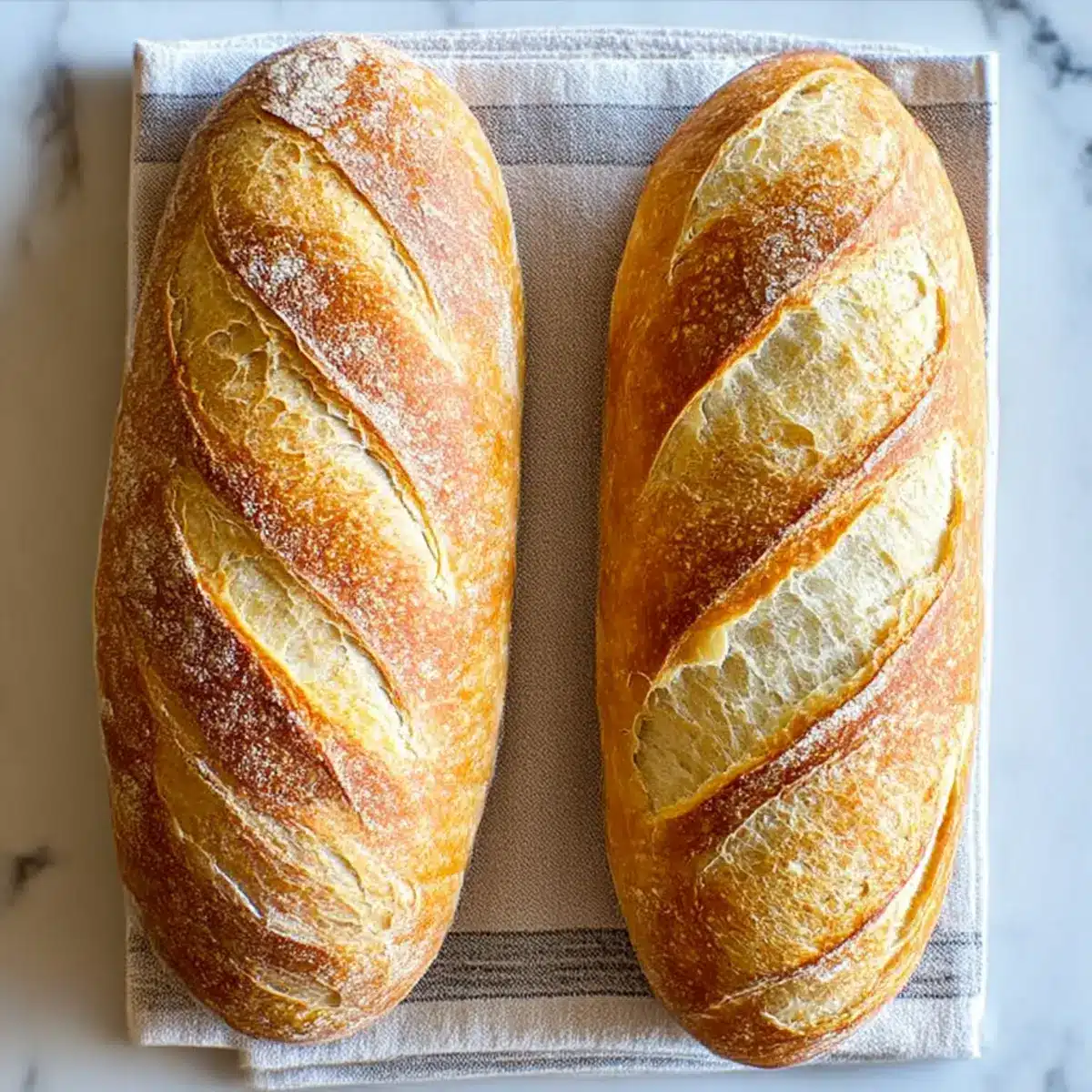
Discover the Joy of Homemade French Baguette Perfection
Ingredients
Equipment
Method
- In a large mixing bowl, combine all-purpose flour, salt, and sugar.
- Add instant yeast directly or dissolve active dry yeast in lukewarm water first.
- Gradually pour in water while mixing until a shaggy dough forms, cohesive yet slightly sticky, around 3-4 minutes.
- Turn the dough out onto a floured surface and knead for about 8-10 minutes until smooth and elastic.
- Place the kneaded dough in a lightly oiled bowl, cover it and let it rise for 1.5 to 2 hours until doubled in size.
- Gently punch down the dough, divide it into three pieces, and shape each into logs about 10-12 inches long.
- Let shaped logs proof on a floured towel or parchment paper for 15 minutes.
- Preheat oven to 475°F (245°C) with a baking stone for at least 30 minutes.
- Score the tops of each loaf with 3-4 diagonal slashes.
- Bake the loaves for 20-25 minutes, pouring hot water into a tray for steam during baking.
- Remove from the oven and cool on a wire rack.
Leave a Reply