
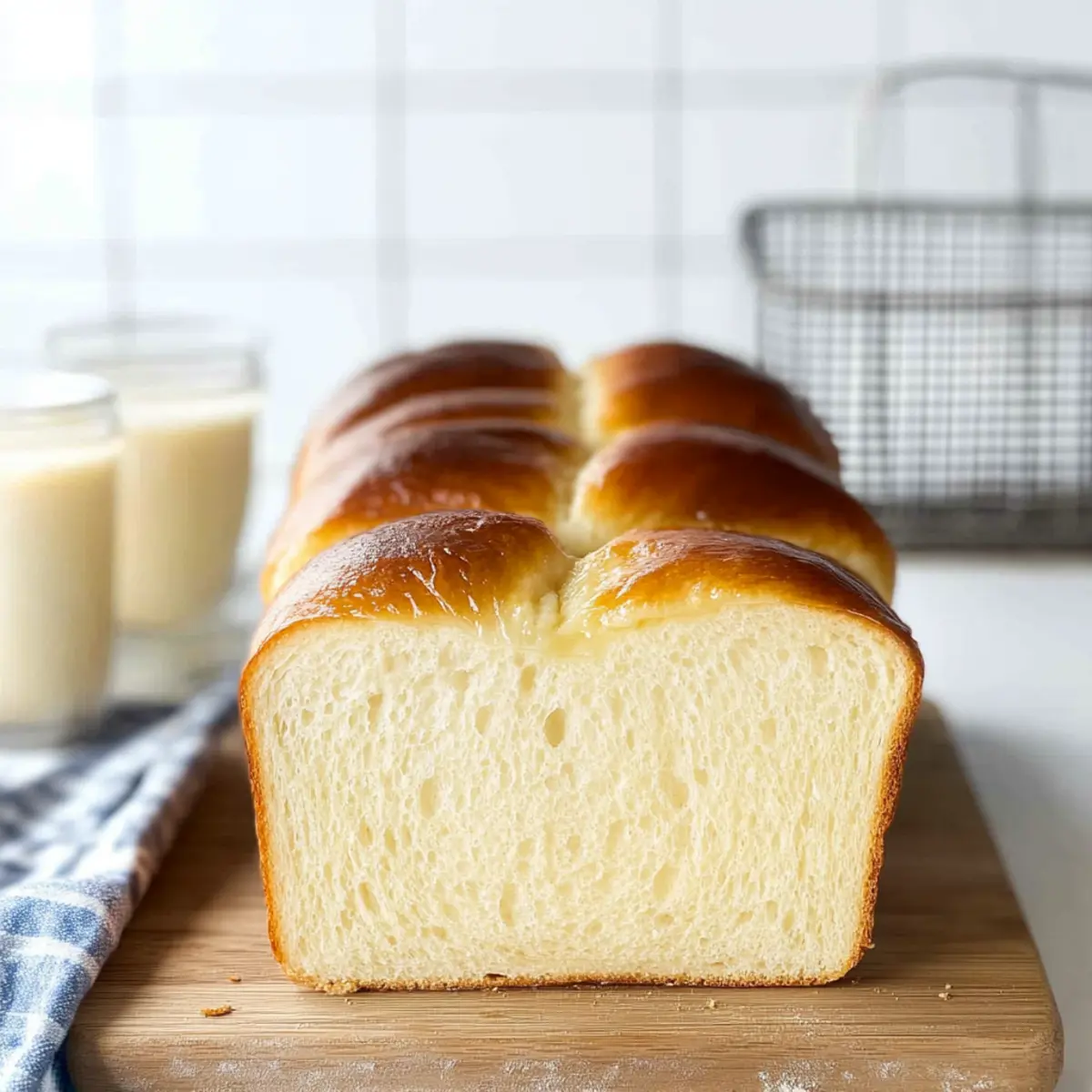
A warm, fresh loaf of bread can transport you to a cozy kitchen filled with the comforting aroma of baking. That’s exactly what you’ll experience with this Fluffy Japanese Milk Bread Recipe, also known as Hokkaido Milk Bread. Using the unique tangzhong technique—a simple water and flour roux—not only makes this bread incredibly soft, but it also gives it delightful chewiness. Whether you’re crafting a scrumptious sandwich or pulling apart fluffy dinner rolls, this recipe is your ticket to homemade bliss. Plus, it’s a fantastic way to impress guests or simply indulge in a moment of self-care with a slice and some butter. Are you ready to dive into this bread-making adventure and discover how easy it is to create such irresistible softness?
Why Choose This Japanese Milk Bread?
Softness: You’ll be amazed by the incredible fluffiness and melt-in-your-mouth texture that makes every bite delightful.
Versatile: This recipe easily adapts—whether you want a stunning loaf for sandwiches or tempting dinner rolls for a special dinner.
Family-Friendly: Watch your loved ones gather around the warm kitchen, drawn in by the irresistible aroma and eagerly anticipating the first slice.
Unique Technique: The tangzhong method may sound fancy, but it’s simple and guarantees a perfect, moist bread every time—no need for baking experience!
Impress Guests: Serve this homemade bread with butter or jams, and it’ll elevate your hosting game to a new level. For more delicious recipes like Coconut Milk Chicken or Chick Fil Frosted, get inspired to create magic in your kitchen!
Japanese Milk Bread Ingredients
For the Tangzhong
• Water – This hydrates the dough and is crucial for the tangzhong preparation.
• Bread Flour – Provides structure and is mixed with water to create the pudding-like consistency of tangzhong.
For the Dough
• Milk – Adds a rich flavor and contributes to the bread’s softness; use room temperature for best yeast activation.
• Active Dry Yeast – Essential for making the dough rise; activate it in warm milk before mixing for optimal performance.
• Sugar – Sweetens the bread and helps activate the yeast for a better rise.
• Dry Milk Powder – Enhances the milky flavor and texture; feel free to omit if you don’t have it.
• Egg – Adds richness and helps bind the dough together.
• Bread Flour – Choose this for higher protein content, ensuring a chewy and beautifully structured loaf.
• Sea Salt – Balances sweetness and helps strengthen the gluten structure.
• Unsalted Butter – Contributes to the dough’s tenderness and adds a lovely flavor; ensure it’s softened before incorporation.
Enjoy making this fluffy Japanese Milk Bread that will truly melt in your mouth!
Step‑by‑Step Instructions for Japanese Milk Bread Recipe
Step 1: Prepare the Tangzhong
In a small saucepan, combine equal parts of water and bread flour, stirring constantly over medium heat. Cook until the mixture thickens to a pudding-like consistency, about 3-5 minutes. Once thickened, remove from heat and allow the tangzhong to cool to room temperature before proceeding to the next step.
Step 2: Activate Yeast
In a mixing bowl, combine lukewarm milk, sugar, and active dry yeast, whisking gently. Let the mixture sit for about 5-10 minutes until it becomes bubbly and frothy. This step is crucial for ensuring your Japanese Milk Bread rises beautifully, so be sure to check that your yeast is active and ready.
Step 3: Make Dough
Add the cooled tangzhong to the activated yeast mixture, along with dry milk powder, an egg, flour, and sea salt. Mix everything until a scraggly dough forms, ensuring all ingredients are well combined. You want the dough to start coming together before you move on to the next step.
Step 4: Knead Dough
Transfer the dough to a lightly floured surface or a stand mixer. If using a mixer, knead the dough on low speed for about 5 minutes until it begins to smooth out. Next, add the softened unsalted butter and continue kneading for another 5-7 minutes, or until the dough is soft, smooth, and slightly tacky to the touch.
Step 5: First Proofing
Shape the kneaded dough into a ball and place it in a greased bowl, turning it to coat. Cover the bowl with plastic wrap or a damp cloth and let it rise in a warm area until it doubles in size, approximately 1-2 hours. Look for a fluffy, puffy dough that has expanded significantly for the perfect Japanese Milk Bread.
Step 6: Shaping
Once the dough has proofed, gently punch it down to release the gases. Divide the dough into portions for either rolls or a loaf, depending on your preference. Shape each portion into a smooth ball or loaf shape and place them in a greased pan, ensuring there is enough space for rising.
Step 7: Second Proofing
Cover the shaped dough with a clean kitchen towel or plastic wrap and let it rise again in a warm area until it doubles, which should take another 1-2 hours. You’ll know it’s ready when the dough has risen high above the edges of the pan and feels light and airy.
Step 8: Bake
Preheat your oven to 350°F (180°C). Brush the top of the dough with an egg wash for that beautiful golden color. Bake the loaf for 30-35 minutes, or rolls for 20-30 minutes, until the tops are golden brown and the internal temperature reaches 190°F (88°C).
Step 9: Cool
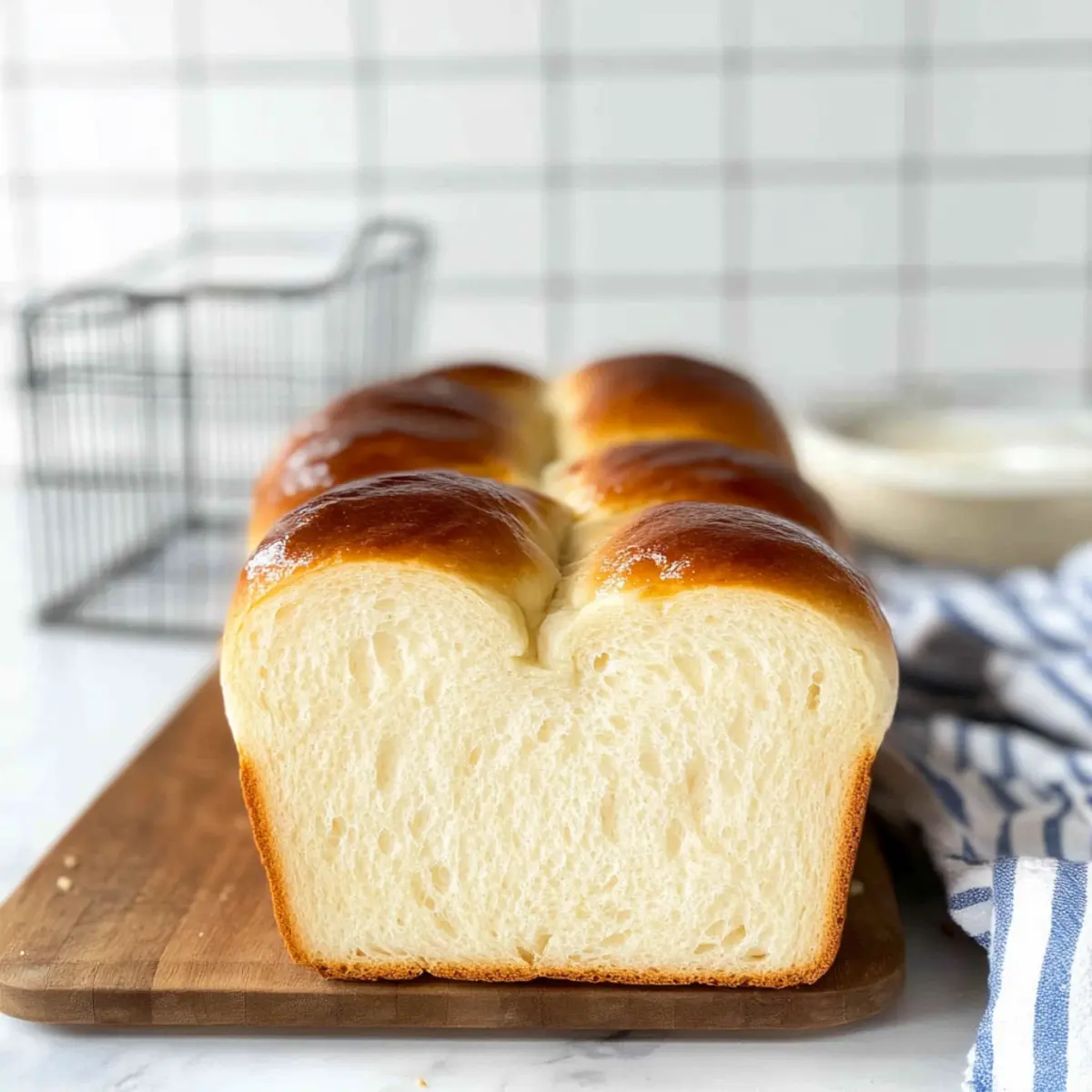
Once baked, remove the Japanese Milk Bread from the oven and let it cool in the pan for about 10 minutes. Then, transfer it to a wire rack to cool completely before slicing. This cooling step ensures that your bread maintains its fluffy texture and can be enjoyed at its best.
Storage Tips for Japanese Milk Bread
Room Temperature: Store the Japanese Milk Bread in an airtight container or wrapped in plastic for up to 3 days to maintain its softness.
Fridge: If you need to keep the bread longer, refrigerate it for up to a week; however, this may affect the texture, making it less fluffy.
Freezer: For longer storage, slice the bread and freeze it in a freezer-safe bag for up to 3 months. Thaw at room temperature or toast directly from frozen.
Reheating: To enjoy leftover slices, warm them in the oven at 350°F (180°C) for a few minutes or toast until heated through to revive the soft, pillowy texture.
Japanese Milk Bread Recipe Variations
Feel free to make this delightful Japanese Milk Bread your own with these enjoyable twists!
-
Dairy-Free: Swap milk and butter for almond milk and coconut oil for a vegan-friendly alternative that maintains the bread’s fluffy texture.
-
Flavor Infusion: Add a tablespoon of vanilla extract to the dough for a subtle sweetness and aromatic touch that elevates every slice.
-
Cinnamon Rolls: Before rolling the dough, sprinkle with cinnamon and sugar, then roll tightly for a decadent breakfast treat; top with cream cheese frosting.
-
Herb-Infused: Incorporate fresh chopped herbs like rosemary or thyme into the dough during kneading for a fragrant, savory loaf that pairs wonderfully with soups.
-
Sweet Potato Variation: Substitute part of the bread flour with mashed sweet potato for a naturally sweet and colorful loaf that adds a unique twist.
-
Chocolate Chip Delight: Fold in semi-sweet chocolate chips after kneading for an indulgent bread that’s perfect for desserts or afternoon snacks.
-
Sesame Seed Crunch: Sprinkle sesame seeds on top of the loaf before baking to add a delightful crunch and a nutty flavor, perfect for Asian-inspired meals.
In case these variations spark your creativity, consider trying out a comforting recipe like Ground Beef Bulgogi alongside your fluffy bread, or treat yourself to delightful Chocolate Marshmallow Swirl Cookies for dessert!
Make Ahead Options
These Japanese Milk Bread Recipe preparations are perfect for those busy days when you still crave homemade goodness! You can prepare the tangzhong up to 24 hours in advance—simply store it in an airtight container in the refrigerator. You can also shape the dough into a loaf or rolls and let it undergo its first proofing; once it has doubled in size, punch it down, shape it, and refrigerate for up to 3 days. When you’re ready to bake, simply allow the dough to come to room temperature and complete the second proofing before applying an egg wash and baking. Following these steps ensures your bread will be just as delicious and fluffy, making your meal prep less stressful and more enjoyable!
Expert Tips for Japanese Milk Bread
-
Right Consistency: Always ensure your tangzhong reaches a pudding-like thickness; undercooking may result in a less fluffy Japanese Milk Bread.
-
Yeast Activation: Make sure your milk is lukewarm, not hot; too high a temperature can kill the yeast, preventing proper rising.
-
Handle with Care: Avoid adding too much flour during kneading; the dough should be soft and slightly tacky for the best texture.
-
Overnight Proofing: Consider letting your dough proof overnight in the refrigerator for enhanced flavor and an even softer bread.
-
Temperature Check: Use a thermometer to ensure your baked bread reaches 190°F internally; this guarantees it is cooked thoroughly and will achieve that perfect texture.
What to Serve with Fluffy Japanese Milk Bread?
A delightful loaf of homemade bread opens a world of pairing possibilities, allowing you to create a meal that sings with flavor and warmth.
- Creamy Soup: A bowl of rich tomato bisque or smooth butternut squash soup complements the fluffy texture and adds comforting warmth to your meal.
- Savory Sandwiches: Craft a gourmet sandwich with turkey and avocado or classic grilled cheese. The soft bread envelops fillings beautifully without losing its cloud-like fluffiness.
- Fresh Salad: Pair with a crisp, vibrant salad tossed with lemon vinaigrette. The freshness balances the soft, milky bread and adds a refreshing crunch.
- Sweet Butter and Jams: Enjoy warm slices smeared with creamy butter and a variety of fruity jams. The combination of flavors creates a simple yet indulgent treat for any time of the day.
- Herbed Dips: Serve with a trio of dips like hummus, tzatziki, or olive tapenade for a fun appetizer or snack. The bread’s fluffy surface is perfect for scooping up every last bite.
- Coffee or Tea: Enjoy a slice with a warm cup of coffee or fragrant tea. The gentle sweetness of the bread pairs wonderfully with these beverages, creating a cozy moment.
- Dessert Option: Transform it into a delicious dessert by turning leftovers into bread pudding. The bread absorbs flavors beautifully, resulting in a delightful, sweet treat.
Each of these pairings enhances the experience of your Fluffy Japanese Milk Bread, making mealtime a celebration of taste and comfort.
Japanese Milk Bread Recipe FAQs
How do I choose ripe ingredients for my Japanese Milk Bread?
Absolutely! For the best results, use room temperature milk to activate the yeast properly. Make sure your milk is fresh and not expired, as this could affect rising. When selecting flour, opt for bread flour instead of all-purpose to ensure a chewy and structured loaf.
How should I store leftover Japanese Milk Bread?
To keep your Japanese Milk Bread fresh, wrap it in plastic or store it in an airtight container at room temperature for up to 3 days. For longer storage, consider refrigerating it; however, this might impact the texture slightly. If you want to maintain its softness, freeze slices in a freezer-safe bag for up to 3 months.
Can I freeze Japanese Milk Bread?
Yes, you can! After baking and cooling your Japanese Milk Bread, slice it, then wrap each slice tightly in plastic wrap or place it in a freezer-safe bag. This will help prevent freezer burn. To enjoy, simply thaw at room temperature or toast directly from frozen.
What should I do if my dough doesn’t rise properly?
The more the merrier! If your dough isn’t rising, check the yeast to ensure it’s active—if it doesn’t bubble in the milk and sugar mixture, it might be too old. Ensure the environment is warm enough; sometimes, placing the dough in a slightly warm oven can help. Also, avoid adding too much flour while kneading; the dough should remain soft and tacky.
Are there any dietary considerations I should be aware of with Japanese Milk Bread?
Very important! This recipe contains gluten and dairy, so it may not be suitable for those with celiac disease or lactose intolerance. For alternatives, consider using gluten-free flour and plant-based milk, though the texture may differ slightly. Always check labels if you have allergies, particularly with added ingredients like milk powder or butter.
How long does it take for the dough to double in size during proofing?
During proofing, it typically takes about 1-2 hours for the dough to double in size. Look for visual changes: the dough should appear fluffy, puffy, and expand significantly. It’s best to place it in a warm area, as this encourages yeast activity and a successful rise.
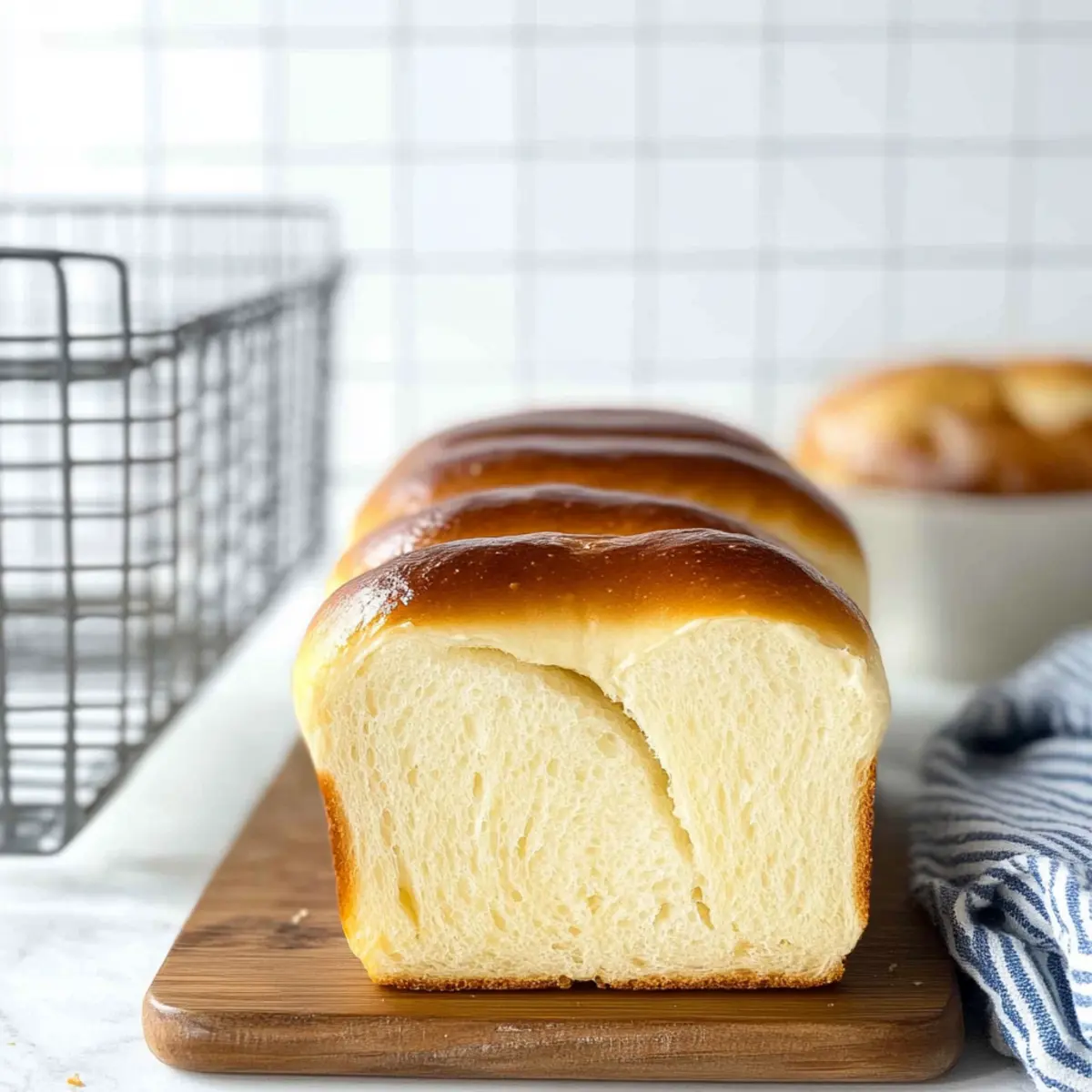
Fluffy Japanese Milk Bread Recipe That Melts in Your Mouth
Ingredients
Equipment
Method
- Prepare the Tangzhong: In a small saucepan, combine equal parts of water and bread flour, stirring constantly over medium heat until the mixture thickens to a pudding-like consistency, about 3-5 minutes. Allow to cool.
- Activate Yeast: In a mixing bowl, combine lukewarm milk, sugar, and active dry yeast. Let sit for 5-10 minutes until bubbly and frothy.
- Make Dough: Add cooled tangzhong to the yeast mixture, along with dry milk powder, an egg, flour, and sea salt. Mix until a scraggly dough forms.
- Knead Dough: Transfer to a floured surface or stand mixer. Knead on low speed for about 5 minutes. Add softened butter, knead for another 5-7 minutes until smooth and slightly tacky.
- First Proofing: Shape into a ball, place in a greased bowl, cover, and let rise in a warm area until doubled, about 1-2 hours.
- Shaping: Punch down the dough, divide into portions for rolls or a loaf. Shape and place in a greased pan.
- Second Proofing: Cover and let rise again in a warm area until doubled, about 1-2 hours.
- Bake: Preheat oven to 350°F (180°C). Brush with egg wash, bake loaf for 30-35 minutes or rolls for 20-30 minutes until golden brown.
- Cool: Let cool in the pan for 10 minutes, then transfer to a wire rack to cool completely before slicing.
Leave a Reply