
As the first blossoms of spring peek through the winter remnants, my kitchen transforms into a sanctuary of vibrant colors and fresh aromas. What better way to welcome the season than with a bowl of Spring Asparagus and Potato Chowder? This cozy, creamy chowder is not only a delightful way to celebrate fresh vegetables, but it’s also incredibly versatile, boasting options for both dairy-free and vegan-friendly adaptations. With tender potatoes and the grassy freshness of asparagus, this dish balances comfort with seasonal lightness—perfect for those who crave something nourishing yet satisfying. Plus, it’s a breeze to whip up on a busy weeknight, making it an ideal choice for anyone looking to escape the clutches of fast food. Are you ready to bring a taste of spring to your table?
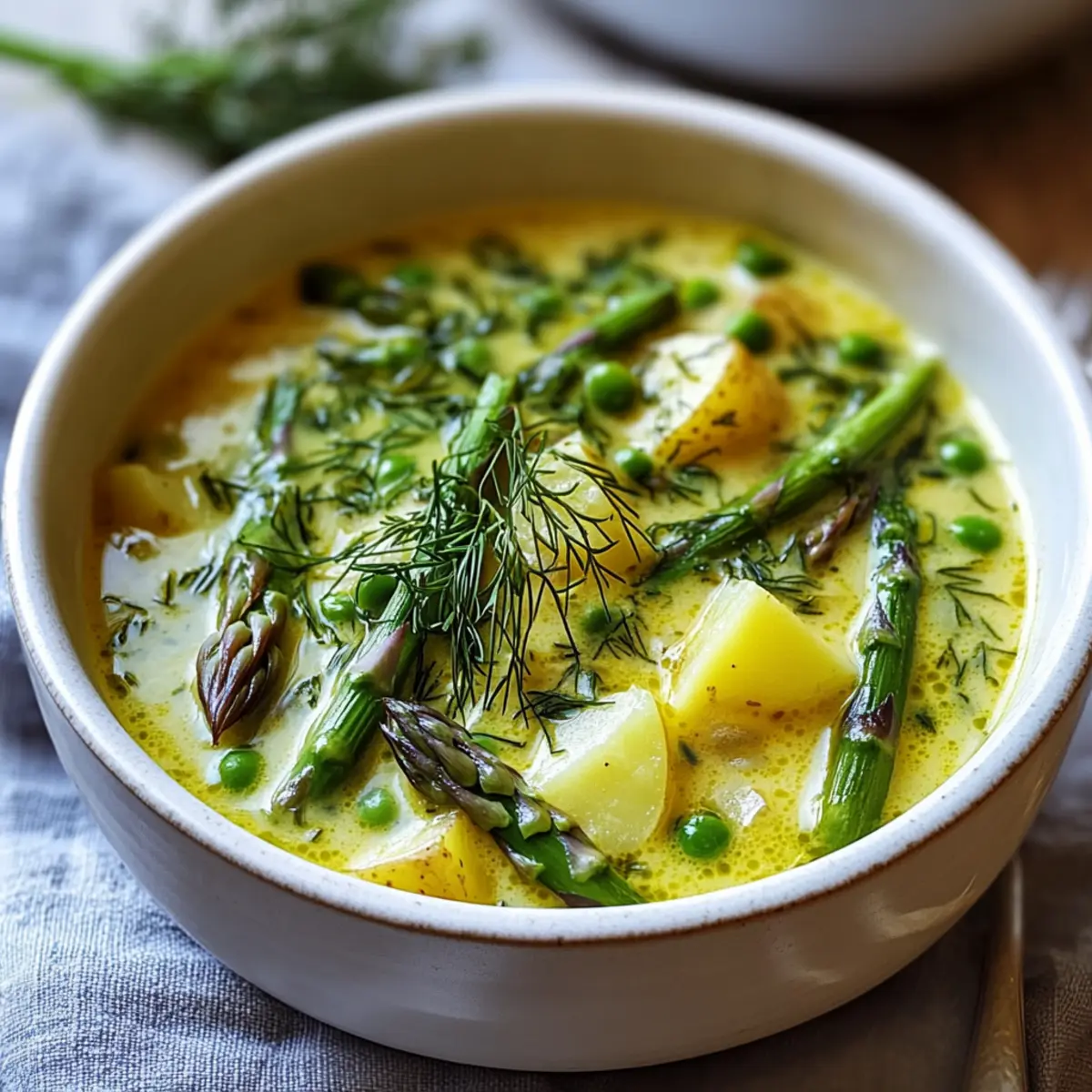
Why is this chowder a must-try?
Creamy Comfort: The lush, velvety texture of this chowder will warm your soul and satisfy hunger, making it a cozy go-to for chilly nights.
Fresh Flavors: Each spoonful bursts with the vibrant essence of spring, thanks to the flavorful combination of asparagus, sweet peas, and aromatic herbs.
Flexible and Adaptable: Whether you’re vegan or simply looking to cut back on dairy, this chowder offers easy swaps like coconut milk, ensuring everyone can enjoy it.
Time-Saver: Ready in just under 30 minutes, this recipe is perfect for busy evenings when you want a nutritious meal fast.
Perfect Pairing: Serve it alongside crusty bread or a lemony green salad for a complete meal that your family will rave about!
Spring Asparagus and Potato Chowder Ingredients
For the Chowder
- Asparagus – Adds grassy freshness; substitute with green beans or peas if unavailable.
- Potatoes (Yukon Gold) – Provides structure and natural creaminess; red potatoes can yield a firmer texture.
- Peas – Contributes subtle sweetness; frozen peas work well for convenience.
- Leeks – Offers a sweet and aromatic base; onions can be used if leeks are scarce.
- Shallots – Enhance depth of flavor; can be omitted if not on hand.
- Garlic – Adds aromatic richness; garlic powder is a good substitute in a pinch.
- Heavy Cream – Creates a creamy texture; use coconut milk or cashew cream for a dairy-free option.
- Fresh Dill – Ties flavors together with a herbal finish; chives or parsley can replace it for different notes.
- Vegetable Broth – Provides a flavorful base; homemade or store-bought broth works perfectly.
- Olive Oil – Used for sautéing vegetables; can be replaced with butter for added richness.
Step‑by‑Step Instructions for Spring Asparagus and Potato Chowder
Step 1: Sauté Aromatics
In a large pot, heat 2 tablespoons of olive oil over medium heat. Add 1 chopped leek, 1 minced shallot, and 2 minced garlic cloves, stirring frequently. Cook for about 5-7 minutes until the vegetables soften and become fragrant, creating a flavorful base for the chowder.
Step 2: Add Potatoes
Next, stir in 2 diced Yukon Gold potatoes and cook for an additional 2-3 minutes, allowing them to absorb the flavors of the sautéed aromatics. The potatoes will start to become slightly tender, setting the stage for the delicious creaminess of your Spring Asparagus and Potato Chowder.
Step 3: Pour in Broth
Carefully add 4 cups of vegetable broth to the pot, stirring to combine. Increase the heat and bring the mixture to a boil. Once boiling, reduce the heat to a simmer, covering the pot with a lid. Let the chowder simmer for about 20 minutes, or until the potatoes are fork-tender and easily break apart.
Step 4: Incorporate Greens
After the potatoes are tender, stir in 1 bunch of chopped asparagus and 1 cup of sweet peas. Continue to cook for another 5-7 minutes, uncovered, until the asparagus is vibrant and just tender. This quick cooking preserves the fresh, grassy flavor of the asparagus in your chowder.
Step 5: Thicken the Chowder
To achieve a creamy texture, mash some of the cooked potatoes against the sides of the pot using a fork or potato masher. This will create a thick, satisfying base for your Spring Asparagus and Potato Chowder while still maintaining some hearty chunks throughout.
Step 6: Finish with Cream and Herbs
Finally, reduce the heat to low and stir in 1 cup of heavy cream (or a dairy-free alternative, such as coconut milk). Add 2 tablespoons of chopped fresh dill for a burst of herbal flavor. Gently heat the chowder for a few minutes, ensuring it’s warmed through before serving.
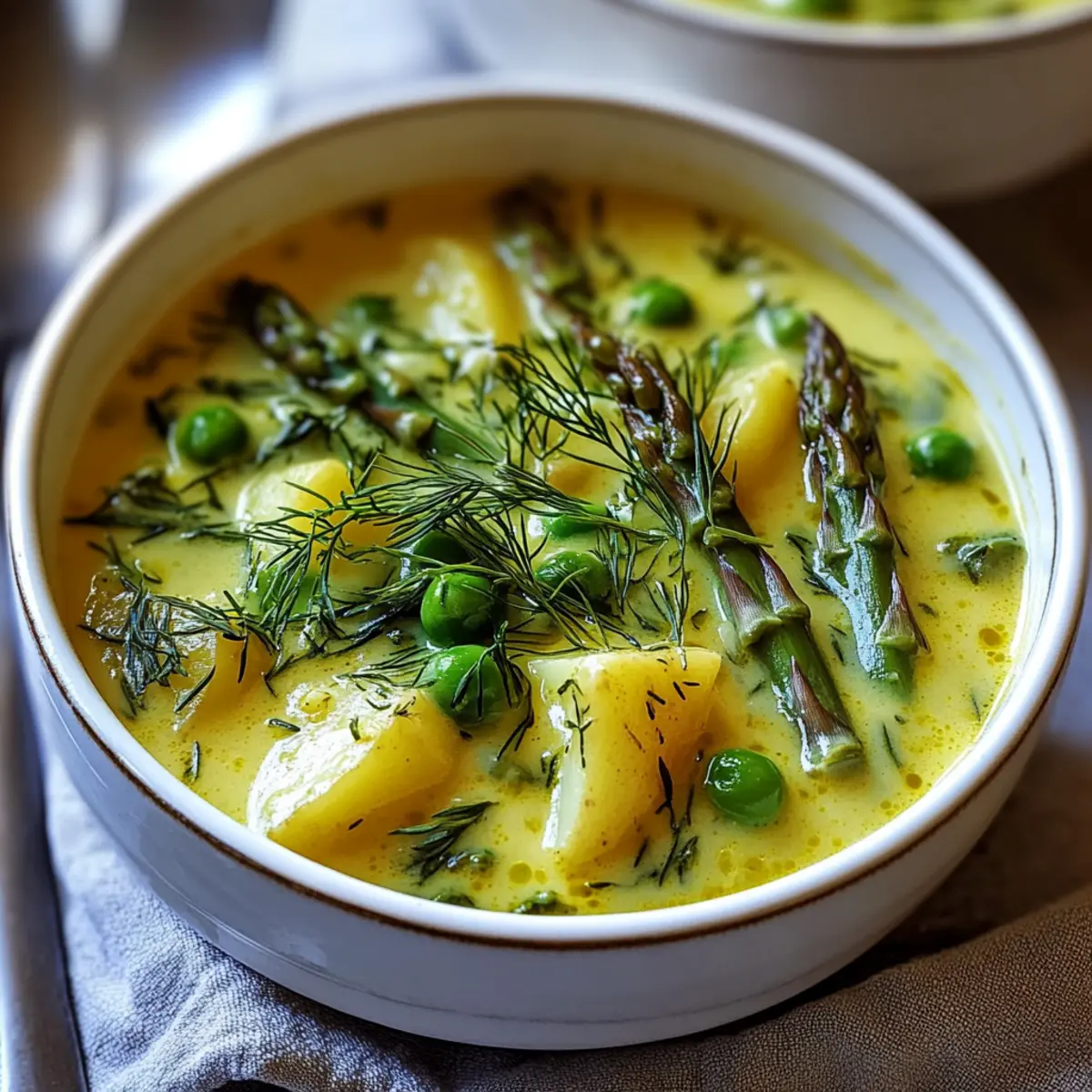
Expert Tips for Spring Asparagus and Potato Chowder
-
Flavor Base Matters: Take your time sautéing the leeks, shallots, and garlic. This step builds a rich and aromatic foundation for your chowder.
-
Perfect Asparagus: Be careful not to overcook your asparagus. It should remain vibrant and tender—overcooking will lead to a mushy texture.
-
Creamy Consistency: For a perfectly creamy chowder, mash a few potato pieces against the pot’s side instead of adding flour or starch.
-
Storage Savvy: Store leftovers in an airtight container for up to four days, and always reheat gently to keep the creaminess intact.
-
Freezing Tips: If you want to freeze your chowder, store the base without cream and add the dairy alternative when you reheat for the best texture.
Make Ahead Options
These Spring Asparagus and Potato Chowder preparations are perfect for busy home cooks looking to save precious time! You can chop your vegetables (leeks, shallots, asparagus, and potatoes) and store them in an airtight container in the refrigerator for up to 24 hours. Additionally, you can prepare the chowder base—cooking the aromatics and adding the diced potatoes and broth—up to 3 days in advance, refrigerating it until you’re ready to finish the soup. When it’s time to serve, simply reheat the chowder base, stir in the asparagus and peas, and finish with the cream and dill fresh—your chowder will be just as delicious and vibrant!
What to Serve with Spring Asparagus and Potato Chowder
Elevate your mealtime experience by pairing this creamy, seasonal favorite with delightful accompaniments that add balance and flair.
-
Crusty Bread: A slice of warm, crusty bread is perfect for soaking up the rich flavors of the chowder, enhancing every bite. Dip it in as you savor the soup, creating a comforting combo that feels like a warm hug.
-
Garlic Toast: Crunchy garlic toast offers a delicious contrast in texture while adding a savory punch that complements the chowder’s creaminess.
-
Lemony Green Salad: A refreshing green salad dressed with lemon vinaigrette brightens the palate and adds a crisp element that lightens the rich chowder.
-
Roasted Vegetables: A medley of seasonal roasted vegetables introduces rustic flavors and complements the fresh ingredients of the chowder.
-
Cheese Board: A small cheese board with a variety of cheeses brings a sophisticated touch, offering richness that pairs beautifully with the chowder’s creaminess.
-
Herbal Infused Iced Tea: A glass of lightly sweetened herbal iced tea refreshes and cleanses the palate, balancing the dish’s richness.
-
Fruit Sorbet: For dessert, a light fruit sorbet gives a refreshing finish to the meal, offering a sweet contrast to the savory chowder.
-
Chilled White Wine: A crisp chilled white wine, like Sauvignon Blanc or Pinot Grigio, elevates the dining experience with a fruity zest, perfectly harmonizing the layers of flavor.
-
Crispy Brussels Sprouts: Adding a side of crispy Brussels sprouts, seasoned with olive oil and sea salt, lends crunch and char that beautifully complements the creamy texture of the chowder.
Spring Asparagus and Potato Chowder Variations
Embrace your culinary creativity and tailor this chowder to fit your taste buds!
-
Dairy-Free: Substitute heavy cream with coconut milk or cashew cream for a rich, creamy texture without the dairy.
-
Vegan Alternative: Replace heavy cream with a nut cream and omit any animal products for a fully plant-based delight.
-
Spiced Up: Add a pinch of red pepper flakes or chopped jalapeños during cooking for a delightful kick of heat. Feel the warmth that adds a unique twist to the familiar flavors.
-
Added Protein: Stir in a can of white beans or chickpeas for extra protein and a hearty texture, making this chowder even more satisfying.
-
Herbal Twist: Swap fresh dill for fresh tarragon or basil to explore different herbal notes. Each herb brings its own fragrance, enhancing the soup’s freshness!
-
Advanced Veggie Boost: Incorporate chopped kale or spinach for added nutrition and a colorful pop; it’s an easy way to sneak extra greens into your meal.
-
Zesty Finish: Garnish with a sprinkle of lemon zest or a splash of lemon juice before serving to brighten the flavors, giving your chowder a vibrant zing!
-
Chunky Style: Leave some potato chunks unmashed for a heartier texture that will have you savoring each bite. Enjoy the blend of creamy and chunky textures that dance in harmony.
Feel free to explore these variations, and might I suggest trying this chowder alongside some Parmesan Sweet Potato for a meal that balances creaminess and flavor? Or pair it with a light Scotia Seafood Chowder for an added coastal twist!
How to Store and Freeze Spring Asparagus and Potato Chowder
Fridge: Store your chowder in an airtight container for up to 4 days. Gently reheat on the stovetop at low heat, stirring frequently to maintain its creamy texture.
Freezer: For longer storage, freeze the chowder base (without cream) in a freezer-safe container for up to 3 months. When ready to enjoy, thaw in the fridge overnight and add cream when reheating for the best results.
Reheating: Always reheat slowly on the stovetop or in the microwave, adding a splash of vegetable broth if the chowder thickens too much. This ensures your Spring Asparagus and Potato Chowder remains luscious and enjoyable.
Make-Ahead Tip: This chowder develops even deeper flavors when made a day ahead, making it a fantastic option for meal prep!
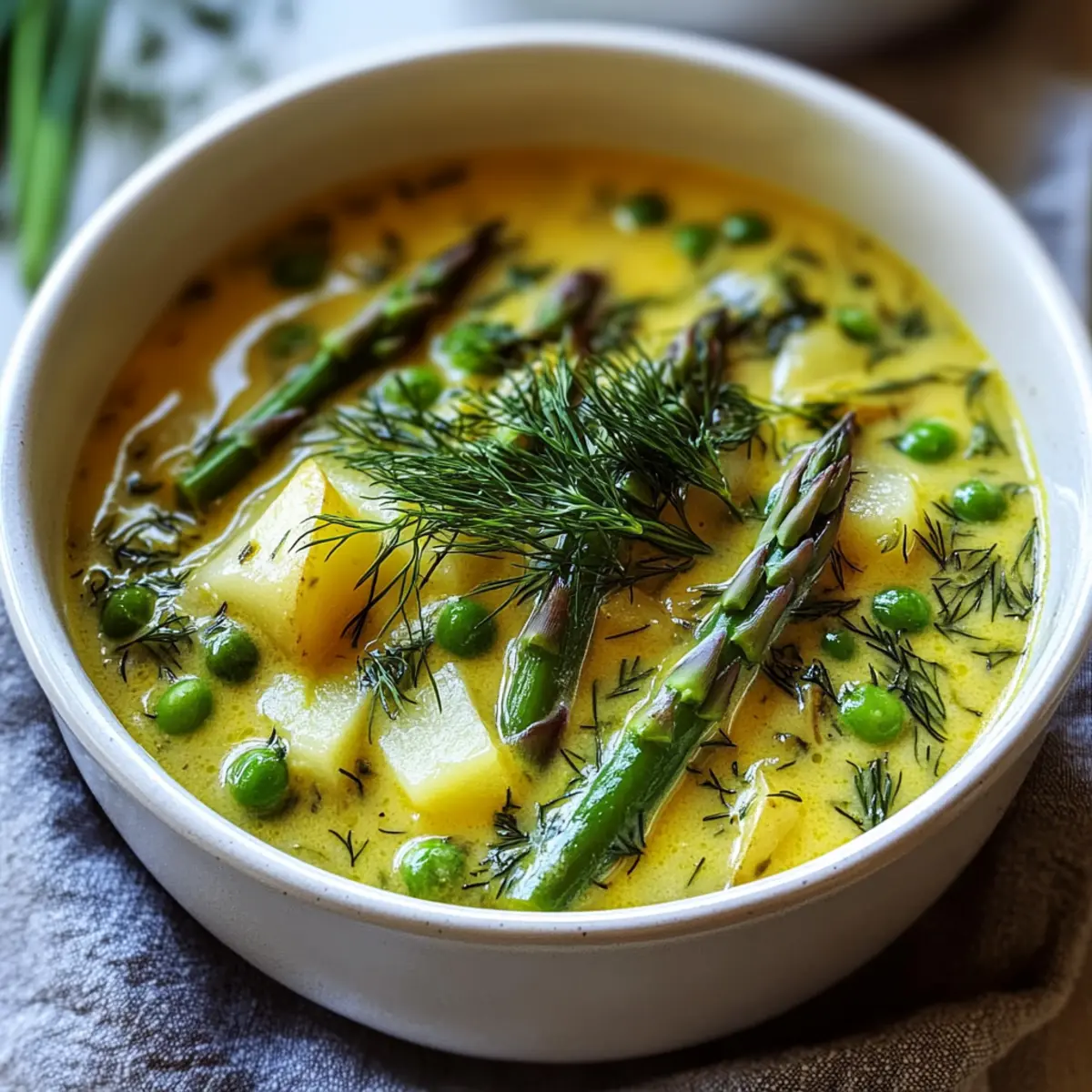
Spring Asparagus and Potato Chowder Recipe FAQs
How do I choose fresh asparagus for this chowder?
Absolutely! When selecting asparagus, look for firm, vibrant green stalks with tightly closed tips. Avoid those with dark spots or limp texture. If you can’t find fresh asparagus, green beans or sweet peas are excellent substitutes that will maintain the seasonal brightness in your chowder.
What’s the best way to store leftovers?
Very! Store your Spring Asparagus and Potato Chowder in an airtight container in the refrigerator for up to 4 days. When reheating, do so gently over low heat to preserve the creamy texture. Stir frequently, and if it thickens too much, feel free to add a splash of vegetable broth or water to loosen it up.
Can I freeze the chowder?
Of course! To freeze your chowder, pour the chowder base (without cream) into a freezer-safe container. It can be frozen for up to 3 months. When you’re ready to enjoy it, simply thaw it in the refrigerator overnight and add the cream (or your dairy-free alternative) while reheating on the stovetop. This method preserves the texture beautifully!
What if my asparagus is overcooked?
If you overcook your asparagus, it may become mushy. To avoid this, keep an eye on it during the last few minutes of cooking—just until it turns vibrant green and is fork-tender. If it does become overcooked, don’t worry too much—just mash it gently into the chowder to blend its flavors in.
Is this chowder suitable for people with allergies?
Yes, it can be! This Spring Asparagus and Potato Chowder can easily be adapted for various dietary needs. To make it dairy-free, simply use coconut milk or cashew cream instead of heavy cream. If you have specific allergies, be sure to read labels for vegetable broth and any other packaged ingredients to avoid any unwanted allergens.
How can I enhance the flavors of this chowder?
Absolutely! To boost flavor, try adding a sprinkle of red pepper flakes during cooking for a hint of heat or a squeeze of fresh lemon juice before serving for brightness. You can also incorporate white beans or chickpeas for added protein and texture—it’s all about making this chowder your own!
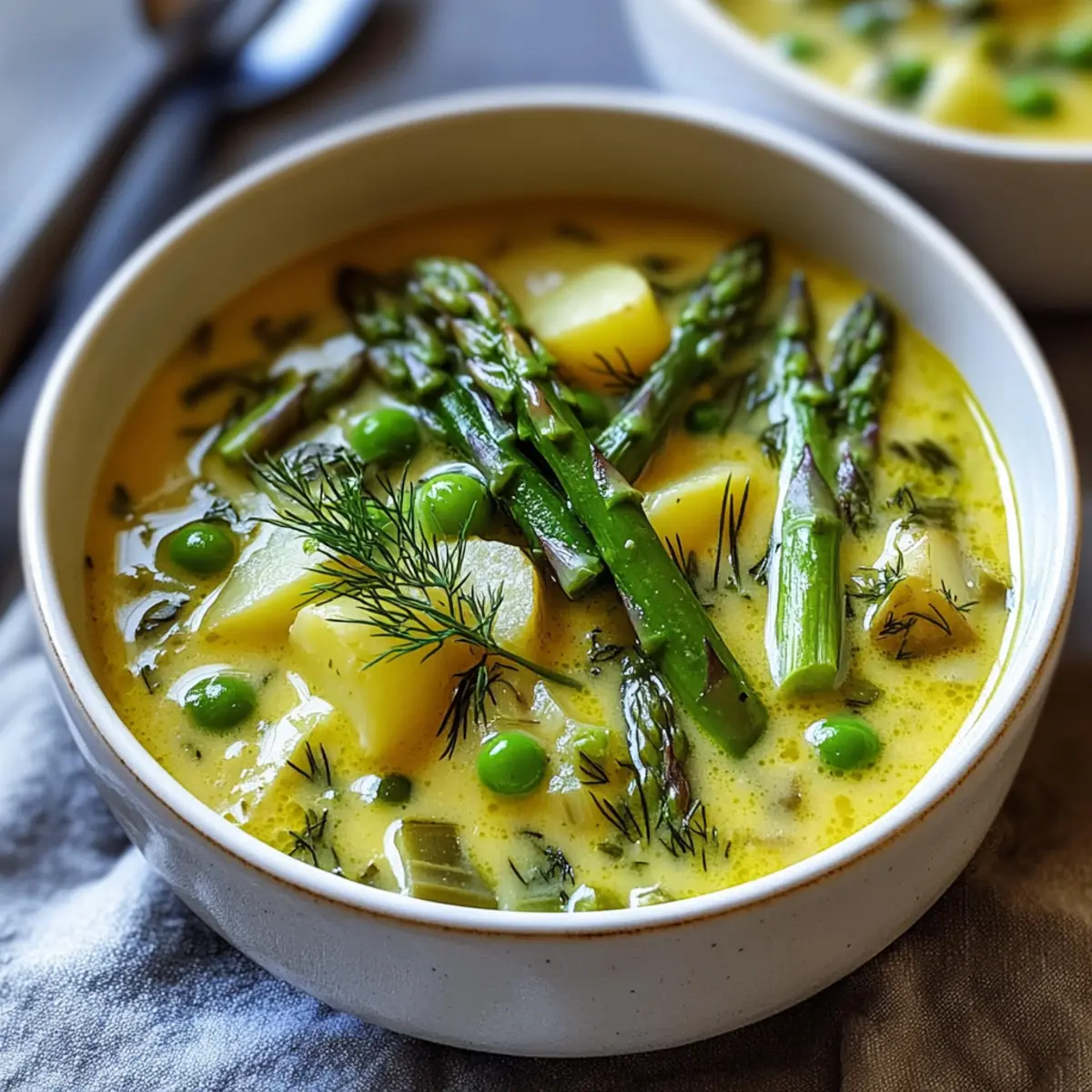
Creamy Spring Asparagus and Potato Chowder Recipe to Savor
Ingredients
Equipment
Method
- In a large pot, heat 2 tablespoons of olive oil over medium heat. Add 1 chopped leek, 1 minced shallot, and 2 minced garlic cloves, stirring frequently. Cook for about 5-7 minutes until the vegetables soften and become fragrant.
- Next, stir in 2 diced Yukon Gold potatoes and cook for an additional 2-3 minutes, allowing them to absorb the flavors of the sautéed aromatics.
- Carefully add 4 cups of vegetable broth to the pot, stirring to combine. Increase the heat and bring the mixture to a boil. Once boiling, reduce the heat to a simmer, covering the pot with a lid. Let the chowder simmer for about 20 minutes, or until the potatoes are fork-tender and easily break apart.
- After the potatoes are tender, stir in 1 bunch of chopped asparagus and 1 cup of sweet peas. Continue to cook for another 5-7 minutes, uncovered, until the asparagus is vibrant and just tender.
- To achieve a creamy texture, mash some of the cooked potatoes against the sides of the pot using a fork or potato masher.
- Finally, reduce the heat to low and stir in 1 cup of heavy cream (or a dairy-free alternative, such as coconut milk). Add 2 tablespoons of chopped fresh dill for a burst of herbal flavor. Gently heat the chowder for a few minutes before serving.
Leave a Reply