
As I flipped through a dusty recipe book from my travels, a vibrant dish caught my eye: Mediterranean Scrambled Eggs. Instantly, I could recall the sunlit mornings spent savoring this quick and nutritious meal in cozy cafés along the coast. Perfectly customizable, this dish comes together in under 15 minutes, making it an ideal choice for busy mornings when flavor and nourishment matter. Packed with fresh vegetables, creamy feta, and alluring herbs, these Mediterranean Scrambled Eggs are not just a breakfast; they’re a celebration of wholesome living, gluten-free and adaptable for any diet. What unique twists will you add to make this dish your own?
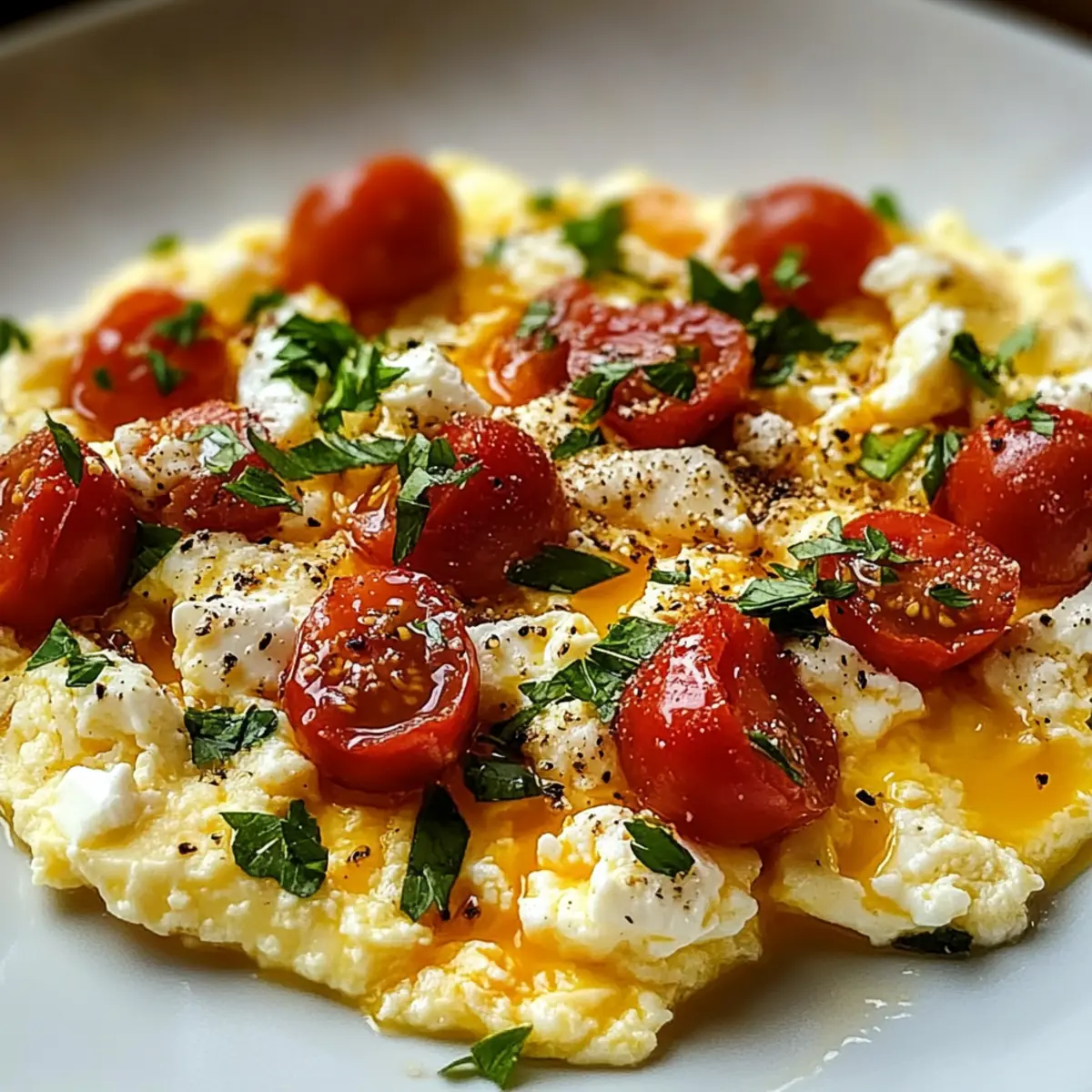
Why are Mediterranean Scrambled Eggs a Must-Try?
Quick and Easy: Just under 15 minutes is all you need to whip up this delightful dish, making it perfect for busy mornings.
Nutritious Goodness: Packed with fresh veggies and creamy feta, these Mediterranean Scrambled Eggs offer a healthy start to your day that’s both satisfying and delicious.
Customizable Delight: Get creative! Adding your favorite herbs or vegetables lets you put your personal spin on this classic recipe. How about swapping in roasted zucchini or kalamata olives?
Diet-Friendly: Gluten-free, vegetarian, and even vegan adaptable, this meal caters to diverse dietary needs without compromising on flavor.
Crowd-Pleasing Flavor: The burst of fresh ingredients brings vibrant Mediterranean vibes to your breakfast table, perfect for impressing family or friends alike!
Try pairing it with a refreshing cucumber salad or even some Mediterranean Baked Fish for a complete meal experience!
Mediterranean Scrambled Eggs Ingredients
• Get ready to create a nutritious and flavorful breakfast!
For the Scramble
- Eggs – Essential for protein and the creamy base; sub with scrambled tofu for a vegan option.
- Cherry Tomatoes – Bring sweetness and juiciness to the dish; fresh is best, but canned work in a pinch.
- Bell Peppers – Add a delightful crunch and vibrant color; feel free to use any color you love.
- Red Onion – Offers sweetness and depth; shallots can provide a milder flavor if preferred.
- Salt – Necessary for enhancing the flavors; adjust according to your taste preference.
- Black Pepper – Introduces a hint of heat; tailor it to your liking for the perfect balance.
- Olive Oil – Great for sautéing; avocado oil is an excellent substitute for higher smoke points.
For the Creamy Touch
- Feta Cheese – Provides richness and a salty punch; swap for dairy-free cheese for a vegan twist.
- Fresh Herbs (Parsley or Basil) – Add brightness and herbal notes; feel free to use what you have on hand.
For Extra Flavor
- Hot Sauce or Lemon Juice – Optional but perfect for a zesty kick that enhances the Mediterranean Scrambled Eggs!
Step‑by‑Step Instructions for Mediterranean Scrambled Eggs
Step 1: Prepare the Vegetables
Start by rinsing the cherry tomatoes, bell peppers, and red onion. Dice them into bite-sized pieces, keeping the colors vibrant and fresh. This will ensure even cooking and a delightful presentation in your Mediterranean Scrambled Eggs. Set these chopped vegetables aside to be ready for the next steps.
Step 2: Heat the Olive Oil
In a non-stick skillet, heat 1-2 tablespoons of olive oil over medium heat for about 30 seconds until it shimmers. This ensures proper sautéing for the vegetables, creating a warm base for your Mediterranean Scrambled Eggs. The aroma of the olive oil should begin to fill your kitchen, signaling that it’s time to add the onions.
Step 3: Sauté the Onions
Add the diced red onion to the skillet and sauté for approximately 2 minutes. Stir occasionally until the onions become translucent and aromatic. This step is crucial, as the onions will develop a sweet flavor that enhances your scrambled eggs. Keep an eye on them to prevent burning as they soften.
Step 4: Cook the Bell Peppers
Next, introduce the diced bell peppers into the skillet. Cook for about 3-4 minutes, stirring frequently until they soften and achieve a glossy finish. Their vibrant color and crunch will bring a lively texture to your Mediterranean Scrambled Eggs. The mixture should look colorful and inviting by this point.
Step 5: Add the Cherry Tomatoes
Stir in the cherry tomatoes, cooking for an additional 1-2 minutes. They should heat through and release their juicy goodness, blending nicely with the sautéed veggies. This combination of flavors is the heart of your Mediterranean Scrambled Eggs, ensuring every bite is packed with freshness.
Step 6: Beat the Eggs
In a separate bowl, crack 4-6 eggs and whisk them together with a pinch of salt and pepper until frothy. This process takes about 1 minute and will help to incorporate air, creating fluffy scrambled eggs. The vibrant yellow mixture will be ready to become the star of your dish in the next step.
Step 7: Combine Eggs and Vegetables
Pour the beaten eggs into the skillet with the sautéed vegetables. Immediately reduce the heat to low and gently stir with a spatula for 2-3 minutes. The eggs should slowly set while remaining creamy and soft, just like a perfect Mediterranean Scrambled Eggs should. Look for a bright yellow hue without any dryness.
Step 8: Add Cheese and Herbs
Once the eggs are nearly set, remove the skillet from the heat. Sprinkle crumbled feta cheese and fresh herbs over the top, allowing the residual heat to melt the cheese slightly. The addition of feta adds a creamy, salty element that elevates your Mediterranean Scrambled Eggs. If you like, add a squeeze of lemon juice for a zesty finish.
Step 9: Serve and Enjoy
Spoon the Mediterranean Scrambled Eggs onto plates while hot. They’re best enjoyed fresh, offering a delightful burst of flavor that’s perfect for breakfast. Consider pairing them with whole-grain toast or warm pita to make every bite satisfying.
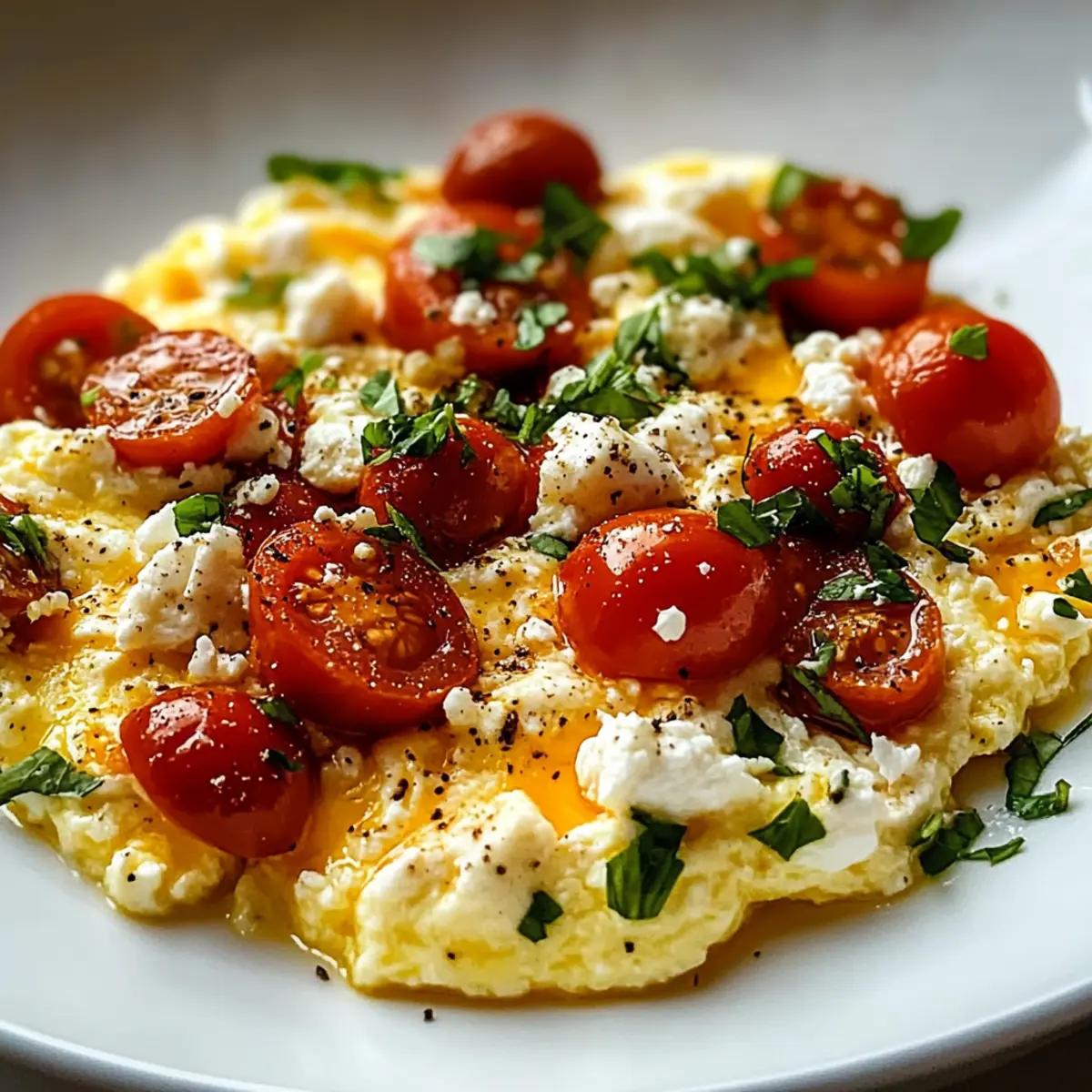
Mediterranean Scrambled Eggs Variations & Substitutions
Embrace the opportunity to tailor your Mediterranean Scrambled Eggs to perfection, enticing your taste buds with every bite!
-
Dairy-Free: Swap feta cheese for dairy-free alternatives like almond or cashew cheese for a vegan version that’s equally creamy.
-
Extra Veggies: Mix in sautéed spinach, mushrooms, or kale for a nutrient boost. This brings even more color and health benefits to your scramble.
-
Spicy Kick: Add a dash of cayenne pepper or diced jalapeños while cooking to give your eggs an exciting heat—an irresistible twist for spice lovers!
-
Herb Variety: Experiment with herbs such as dill or chives instead of parsley and basil; each will lend a unique flavor. It’s a beautiful way to adapt based on what you have at home.
-
Savory Additions: Incorporate cooked sausage or bacon for a heartier breakfast that’s sure to satisfy. The savory elements will blend wonderfully with the creamy eggs.
-
Quinoa Base: For a filling experience, serve the scramble over a bed of cooked quinoa or bulgur instead of toast. This adds texture and a wholesome twist.
-
Mediterranean Flavor Boost: Toss in kalamata olives or sun-dried tomatoes for that extra explosion of Mediterranean flavor; these ingredients truly transport your taste buds!
-
Seasonal Veggies: Use whatever’s in season! Roasted zucchini or asparagus could easily replace bell peppers while bringing freshness. Feel free to explore your local market for inspiration!
Don’t forget to check out delightful pairings like this Mediterranean Baked Fish for a complete meal experience that shines with flavor and health!
Make Ahead Options
These Mediterranean Scrambled Eggs are perfect for meal prep enthusiasts! You can chop the bell peppers, cherry tomatoes, and red onion up to 24 hours in advance, storing them in an airtight container in the fridge to keep them fresh and prevent browning. Additionally, you can pre-beat the eggs and store them in a separate container (just be sure to give them a quick whisk before cooking). When you’re ready to serve, simply sauté the prepared vegetables in olive oil, pour in the beaten eggs, and cook until fluffy and creamy. This way, you’ll enjoy a delicious, nutritious breakfast with minimal effort, making busy mornings a breeze!
Expert Tips for Mediterranean Scrambled Eggs
Avoid Overcooking: Keep a close eye on the eggs as they cook—overcooking can lead to a rubbery texture. Stir gently to ensure they remain creamy.
Customize Freely: Don’t hesitate to explore different vegetables or herbs. Adding ingredients like spinach or feta-infused cheese can elevate your Mediterranean Scrambled Eggs to new flavor heights.
Prep in Advance: To save time, chop your vegetables a day ahead and store them in the fridge. This makes breakfast a breeze on busy mornings!
Use Fresh Ingredients: Using fresh veggies and quality feta significantly enhances the overall flavor profile. They truly make your Mediterranean Scrambled Eggs shine!
Rest Before Serving: Letting the dish sit for a moment after cooking allows flavors to meld beautifully while ensuring your eggs are perfectly creamy.
Storage Tips for Mediterranean Scrambled Eggs
Fridge: Store leftovers in an airtight container for up to 2 days. To maintain flavor and texture, ensure the container is sealed tightly.
Freezer: You can freeze Mediterranean Scrambled Eggs for up to 1 month. Allow them to cool completely before transferring to a freezer-safe bag; remove as much air as possible.
Reheating: When ready to enjoy, thaw overnight in the fridge and reheat gently on low heat in a skillet, adding a splash of water or olive oil to restore creaminess.
Make-Ahead: Prep vegetables up to 24 hours in advance for a quicker morning routine—simply cook with the eggs when you’re ready!
What to Serve with Mediterranean Scrambled Eggs
Transform your breakfast into a delightful feast by pairing your scrambled eggs with complementary dishes that enhance their vibrant flavors.
-
Whole-Grain Toast: Offers a hearty and nutty base, perfect for soaking up the creamy eggs. The crunch creates an appealing contrast!
-
Cucumber Salad: Refreshing and crisp, this salad adds a cool and vibrant touch, brightening the dish with juicy bites of cucumber and tangy dressing.
-
Greek Yogurt with Honey: Creamy yogurt drizzled with honey provides a sweet counterbalance to savory eggs, adding richness while keeping it light.
-
Avocado Slices: Creamy, buttery avocado adds a luxurious texture that pairs beautifully with the savory notes of the dish.
-
Roasted Potatoes: Crispy and golden, these potatoes give a satisfying crunch that complements the softness of the scrambled eggs.
-
Fresh Fruit: Sliced strawberries or citrus fruits bring a burst of brightness, balancing the richness of the eggs and feta with natural sweetness.
For an extra touch, consider sipping on a refreshing glass of orange juice—it’s the perfect drink to round out your Mediterranean breakfast experience!
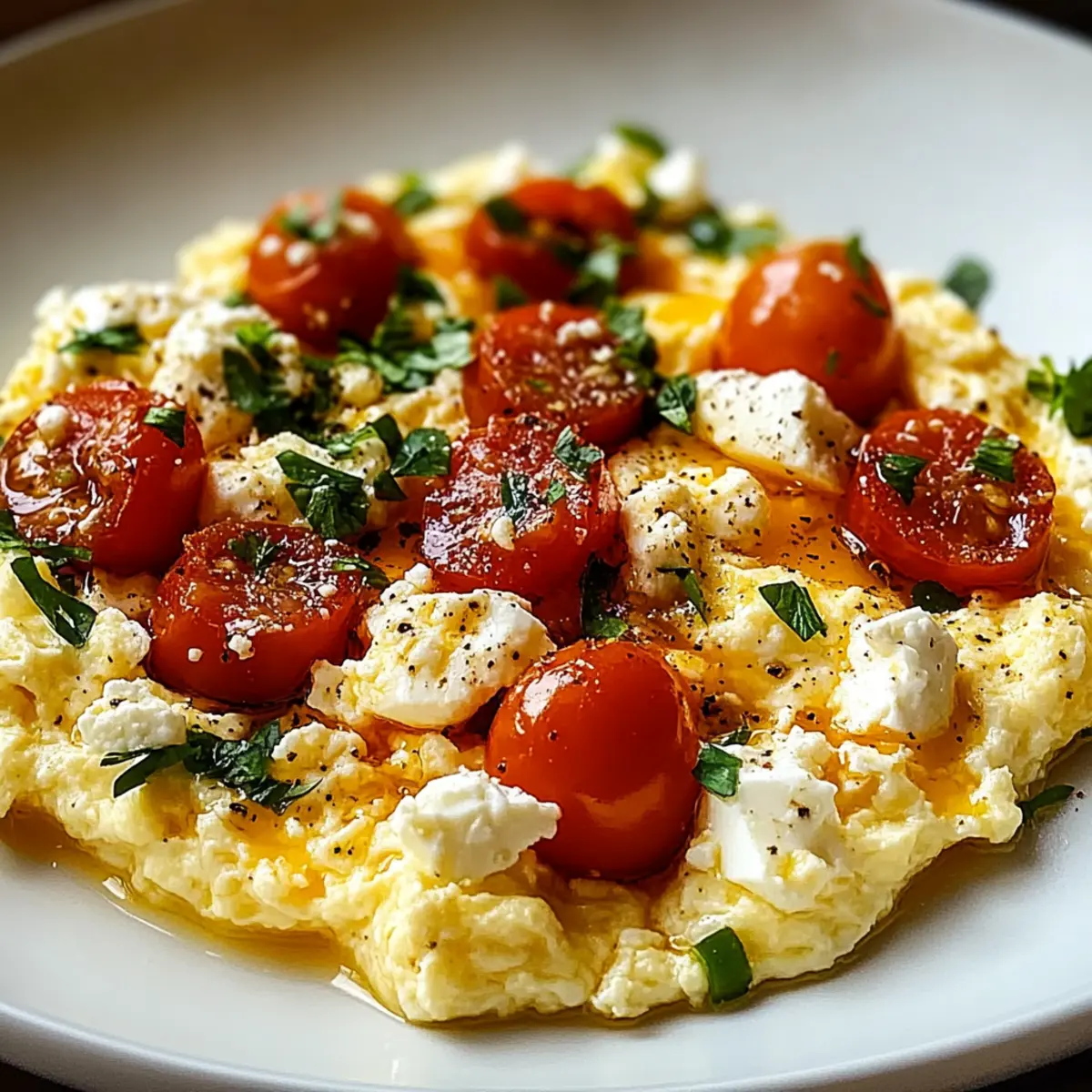
Mediterranean Scrambled Eggs Recipe FAQs
How do I choose the best ingredients for Mediterranean Scrambled Eggs?
Absolutely! For the best flavor, select cherry tomatoes that are firm and vibrant in color. Bell peppers should have a glossy skin without any dark spots, indicating freshness. It’s best to choose eggs that are fresh as well, ideally from a local farmer’s market or organic source. If you’re going vegan, opt for firm tofu or chickpea flour, which can mimic the texture of eggs effectively.
How should I store leftover Mediterranean Scrambled Eggs?
You can store the leftovers in an airtight container in the refrigerator for up to 2 days. Make sure to seal the container tightly to keep the scrambled eggs fresh. When reheating, do so gently on low heat with a splash of olive oil or water to help restore their creamy texture.
Can I freeze Mediterranean Scrambled Eggs?
Yes! If you want to freeze your Mediterranean Scrambled Eggs, allow them to cool completely after cooking. Then, transfer them to a freezer-safe bag, squeezing out as much air as possible. They can be frozen for up to 1 month. When you’re ready to enjoy them, thaw overnight in the fridge before gently reheating on the stove.
What should I do if my scrambled eggs turn rubbery?
No worries! The key to fluffy Mediterranean Scrambled Eggs is to keep the heat low and stir gently. If your eggs become rubbery, you likely cooked them too quickly or at too high a temperature. Next time, stir continuously and remove them from the heat just before they are fully set, allowing the residual heat to finish the cooking without drying them out.
Are Mediterranean Scrambled Eggs safe for people with dietary restrictions?
Absolutely! This recipe is versatile. It’s gluten-free and vegetarian, and can easily be adapted for vegans by substituting eggs with scrambled tofu or chickpea flour. If you have allergies or specific dietary needs, just be mindful of the ingredients you choose, particularly with options like feta cheese or certain oils. Always check labels if you’re concerned about cross-contamination.
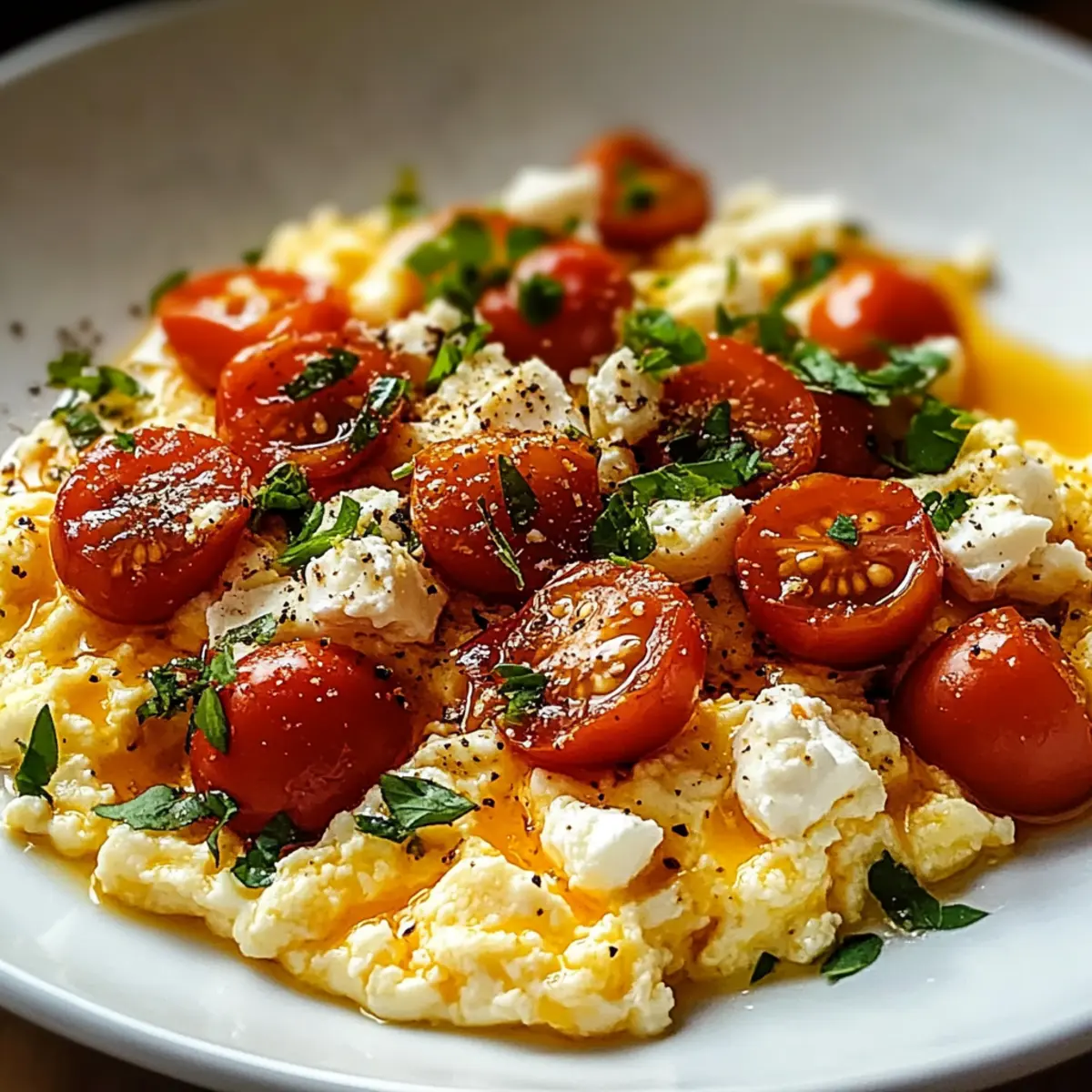
Mediterranean Scrambled Eggs: A Flavor-Packed Morning Boost
Ingredients
Equipment
Method
- Prepare the Vegetables: Rinse and dice the cherry tomatoes, bell peppers, and red onion into bite-sized pieces.
- Heat the Olive Oil: In a non-stick skillet, heat 1-2 tablespoons of olive oil over medium heat until it shimmers.
- Sauté the Onions: Add the diced red onion to the skillet and sauté for approximately 2 minutes until translucent.
- Cook the Bell Peppers: Introduce the diced bell peppers and cook for about 3-4 minutes until softened.
- Add the Cherry Tomatoes: Stir in the cherry tomatoes, cooking for 1-2 minutes until heated through.
- Beat the Eggs: In a separate bowl, crack and whisk 4-6 eggs with a pinch of salt and pepper until frothy.
- Combine Eggs and Vegetables: Pour the beaten eggs into the skillet, reduce heat, and stir gently for 2-3 minutes.
- Add Cheese and Herbs: Remove from heat, sprinkle with feta and fresh herbs, and add lemon juice if desired.
- Serve and Enjoy: Spoon onto plates while hot. Best enjoyed fresh.
Leave a Reply