
The sizzling sound of fresh vegetables meeting hot oil is an irresistible invitation to the kitchen. In this post, I’m excited to share my Healthy Sautéed Vegetables recipe — the perfect way to transform your meals into vibrant, nutritious feasts in under 20 minutes. This dish is not only quick to prepare, making it a lifesaver for busy weeknights, but also incredibly versatile; you can mix and match seasonal veggies to suit your taste or what you have on hand. Plus, it’s a fantastic option for meal prep, ensuring you have delicious, healthy sides ready to go. With a few optional twists suggested in the recipe, you’ll have a go-to that will keep your taste buds delighted and your family craving more. What flavor combination will you try first?
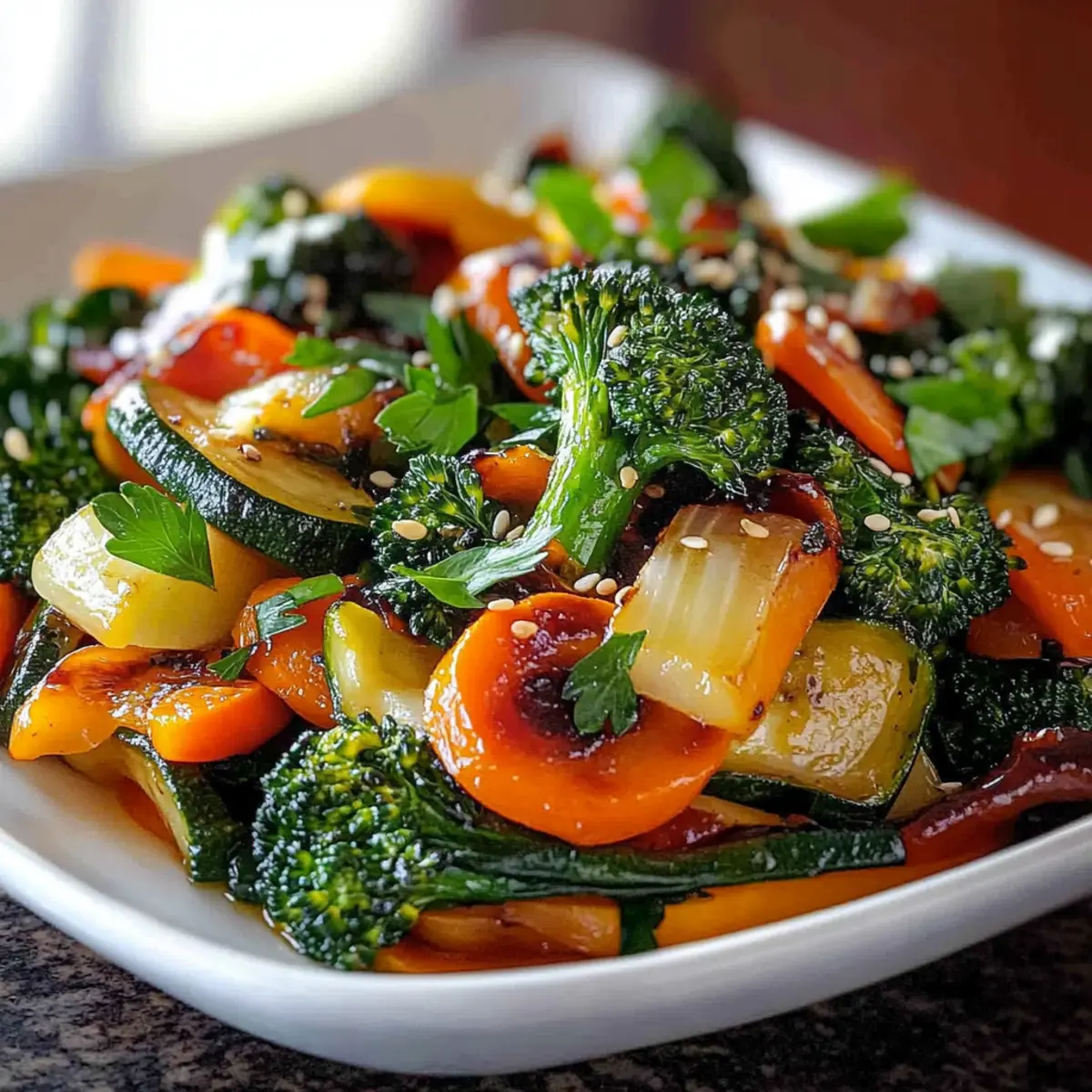
Why are Sautéed Vegetables a Must-Try?
Quick and Easy: With just 20 minutes of cooking time, you can whip up this vibrant dish perfect for any busy weeknight.
Nutritious and Colorful: Bursting with fiber and antioxidants, this medley provides a healthy boost to your meals, making it an irresistible addition to your table.
Limitless Combinations: Try using seasonal or leftover veggies for endless flavor variations. Consider our Healthy Tuscan Salmon as a delightful main dish alongside!
Flavor Enhancements: From a sprinkle of lemon juice to a drizzle of balsamic vinegar, you can easily customize each batch to keep your family’s taste buds excited.
Meal Prep Friendly: Save time by prepping veggies in advance, ensuring quick, nutritious sides are just a stir-fry away!
Keep this recipe in your rotation and watch it become a favorite among your loved ones!
Healthy Sautéed Vegetables Ingredients
• Here’s everything you need to create these delicious, colorful Healthy Sautéed Vegetables!
For the Sauté
- Olive Oil (or Avocado Oil/Butter) – A flavorful base for sautéing, use avocado oil for a higher smoke point or butter for richness.
- Garlic (2 cloves, minced) – Enhances the aroma and flavor; shallots can be a milder alternative if desired.
- Onion (1 small, thinly sliced) – Introduces sweetness and depth; opting for red onion can add a touch of natural sweetness.
For the Vegetables
- Bell Pepper (1, sliced) – Adds a pop of color and sweetness; choose different colors for unique flavors.
- Zucchini (1, sliced into half-moons) – Introduces moisture and tenderness; yellow squash works well for a different look.
- Broccoli (1 cup florets) – Provides crunch and nutrition; cauliflower can serve as a low-carb substitute.
- Carrot (1 medium, julienned or sliced thin) – Contributes vibrant color and sweetness; try parsnip for a distinct flavor twist.
- Snap Peas (½ cup) – Delivers a delightful snap and color; consider using green beans for a similar crunch.
- Mushrooms (½ cup, sliced) – Offers umami richness; eggplant makes a great alternative if you want a different texture.
Seasonings & Extras
- Salt and Black Pepper (to taste) – Essential for flavor; low-sodium options are perfect for dietary needs.
- Lemon Juice (1 tsp, optional) – Brightens the flavors beautifully; lime juice serves as a zesty alternative.
- Balsamic Vinegar or Soy Sauce (1 tsp, optional) – Adds a tangy depth; tamari is a gluten-free alternative you can use.
Optional Toppings
- Toasted Nuts (like almonds) – Crushed nuts add crunch and flavor; feel free to substitute with seeds like sesame!
- Fresh Herbs (like parsley) – Fresh herbs enhance aromas and flavors; using basil or cilantro adds vibrant freshness.
- Grated Parmesan – Melty cheese can elevate the dish, providing a savory note that pairs wonderfully with sautéed veggies.
Step‑by‑Step Instructions for Healthy Sautéed Vegetables
Step 1: Prep the Vegetables
Begin by washing and peeling the vegetables as needed. Cut all your fresh produce into uniform pieces, which helps in even cooking. Aim for bite-sized chunks to ensure a delightful texture. Setting your ingredients out will make the next steps smoother and quicker, ensuring you’re ready to create your Healthy Sautéed Vegetables.
Step 2: Heat the Pan
Place a skillet over medium-high heat and allow it to warm up for a couple of minutes. Pour in the olive oil, ensuring it coats the bottom of the pan. You’ll know the oil is ready when it shimmers gently, indicating it’s at an optimal cooking temperature to achieve that perfect sautéing action.
Step 3: Cook the Aromatics
Once the oil is hot, add the minced garlic and thinly sliced onion to the skillet. Sauté these aromatics for 1–2 minutes, stirring frequently, until they become fragrant and the onions turn translucent. This step is crucial as it lays a flavorful foundation for your Healthy Sautéed Vegetables.
Step 4: Add the Harder Vegetables
Introduce the carrots and broccoli to the hot pan, stirring them in to avoid uneven cooking. Sauté these harder veggies for about 3–4 minutes, allowing them to soften while still retaining some crunch. The bright colors will beautifully fill your skillet, setting the stage for the dish.
Step 5: Add the Softer Vegetables
Now, it’s time to incorporate the bell peppers, zucchini, mushrooms, and snap peas. Sauté this mixture for another 4–5 minutes, stirring gently until everything is crisp-tender and vibrant. You’ll want to stop cooking when the vegetables are still slightly crunchy to maintain their nutrients and texture in your Healthy Sautéed Vegetables.
Step 6: Season the Dish
Sprinkle the sautéed vegetables generously with salt and black pepper to taste, stirring well to ensure even seasoning. If desired, add optional flavor boosters like lemon juice or balsamic vinegar at this stage, allowing the acidity to enhance the natural sweetness of your vegetables.
Step 7: Finish & Serve
Toss your Healthy Sautéed Vegetables once more in the pan to mix everything thoroughly. Remove from heat and transfer to a serving dish. Feel free to garnish with your choice of optional toppings like toasted nuts, fresh herbs, or grated Parmesan for extra flavor and texture, and serve immediately to enjoy the best taste and crispness.
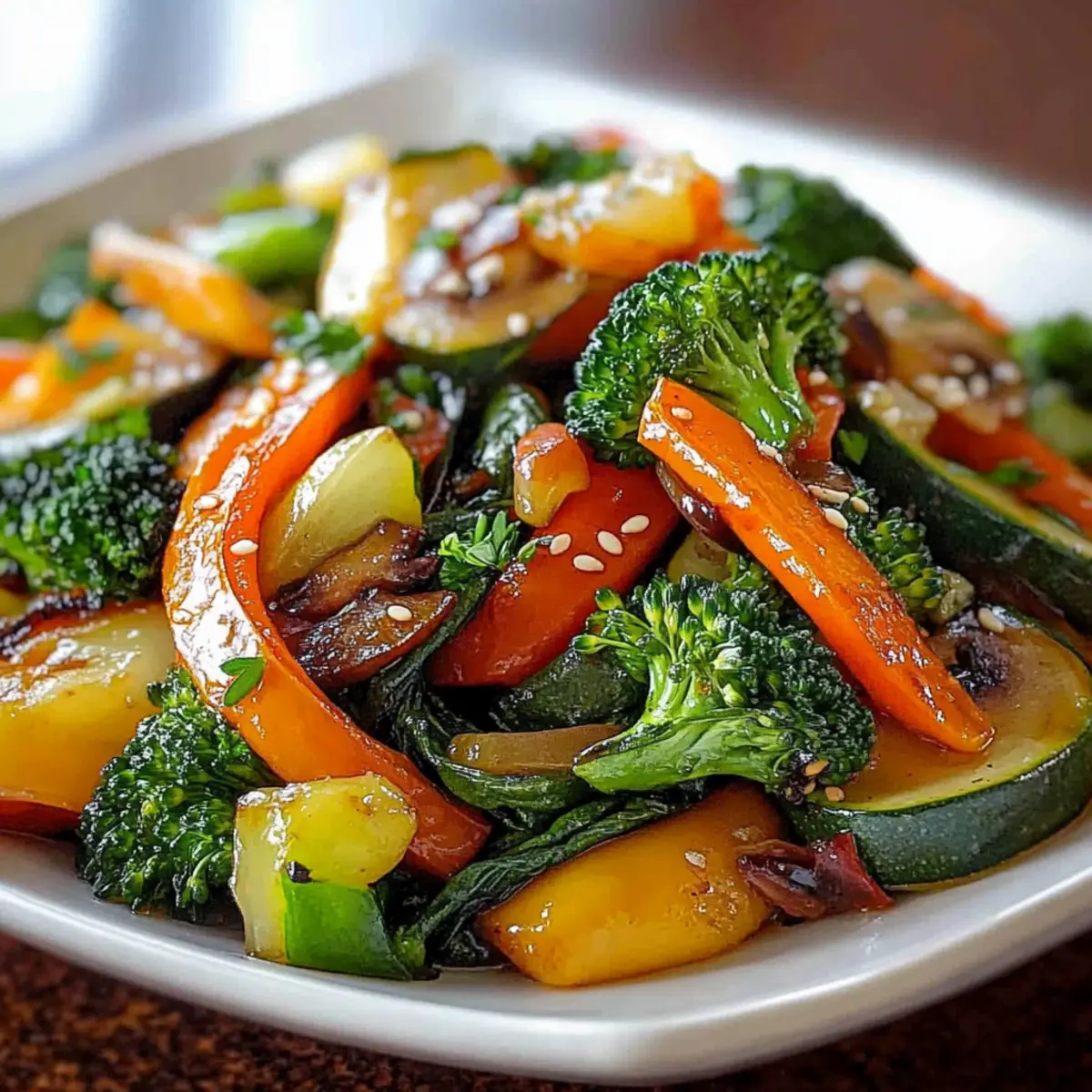
Make Ahead Options
These Healthy Sautéed Vegetables are perfect for meal prep enthusiasts! You can chop and refrigerate all your vegetables up to 24 hours in advance, keeping them fresh and ready for a quick sauté. To maintain their vibrant colors and crisp textures, store them in an airtight container lined with a damp paper towel. When it’s time to serve, simply heat your skillet, add a splash of olive oil, and sauté the veggies for about 5-7 minutes until they’re crisp-tender. Adding a squeeze of lemon juice or a dash of balsamic vinegar just before serving will enhance the flavors, making your meal just as delicious as if you prepared everything from scratch!
How to Store and Freeze Healthy Sautéed Vegetables
-
Fridge: Store leftover Healthy Sautéed Vegetables in an airtight container for up to 3–4 days. To maintain freshness, allow them to cool completely before sealing.
-
Freezer: If you wish to freeze, portion the sautéed vegetables and place them in freezer-safe bags or containers. They can last for up to 3 months, preserving their color and nutrients.
-
Reheating: When ready to enjoy, thaw in the fridge overnight or use the microwave for quick defrosting. Sauté briefly in a skillet over medium heat with a splash of oil or water for best texture.
-
Usage: Incorporate leftover sautéed vegetables into omelets, grain bowls, or pasta dishes for a nutritious boost.
What to Serve with Healthy Sautéed Vegetables?
The vibrant colors and enticing aromas of these sautéed veggies can elevate any meal, creating a delightful dining experience.
-
Quinoa or Brown Rice: These grain bases offer a hearty, nutty flavor that perfectly complements the freshness of the vegetables.
-
Grilled Chicken: Tender, juicy chicken adds protein and a savory note, making for a balanced and satisfying plate.
-
Pasta with Pesto: Toss the sautéed vegetables into pasta mixed with pesto for a delightful Italian twist that’s full of flavor.
-
Lentil Salad: Nutty lentils enhance the dish’s health aspect, bringing additional protein and earthiness to balance the bright veggies.
-
Tofu Stir-Fry: Toss in crispy tofu for a satisfying vegetarian option that absorbs the flavors of the sauté beautifully.
-
Citrusy Couscous: Fluffy couscous infused with lemon zests brightens the meal and pairs harmoniously with the sautéed vegetables.
-
Chickpea Stew: Earthy chickpeas in a spicy tomato base add warmth, making the perfect cozy dish to accompany the freshness of your veggies.
-
Sparkling Water with Lemon: A refreshing drink that helps cleanse the palate and balances the flavors of your meal.
-
Chocolate Mousse: Finish off with a light dessert like airy chocolate mousse, satisfying your sweet tooth without overpowering your meal.
Expert Tips for Healthy Sautéed Vegetables
-
Don’t Overcrowd the Pan: Make sure to sauté vegetables in batches if necessary; overcrowding can result in steaming rather than achieving that perfect sautéed texture.
-
Uniform Cuts: Cut your vegetables into similar sizes for even cooking. Pieces that are too large may remain undercooked, disrupting the harmony of your Healthy Sautéed Vegetables.
-
Start with Aromatics: Always sauté garlic and onions first. This maximizes their flavor contribution, creating a delicious base for the rest of your sautéed vegetables.
-
Fresh is Best: When possible, use seasonal or fresh vegetables for vibrant color and peak flavor. Frozen options can work in a pinch but may alter the texture.
-
Adjust to Taste: Feel free to customize seasonings to fit your palate! Experiment with lemon juice or balsamic vinegar for added zest in your Healthy Sautéed Vegetables.
-
Serve Immediately: For the best texture and flavor, serve your sautéed vegetables right away. If reheating, briefly sauté them again with a splash of water or oil to retain freshness.
Healthy Sautéed Vegetables Variations & Substitutions
Feel free to get creative and customize your sautéed veggies for even more deliciousness!
- Dairy-Free: Use nutritional yeast in place of Parmesan for a cheesy flavor without dairy.
- Spicy Kick: Incorporate diced jalapeños or a splash of sriracha for a delightful heat that’ll tantalize your taste buds. Take it a notch higher with some chili flakes!
- Asian-Style: Add soy sauce, garlic, and ginger while cooking for a wonderfully aromatic twist that pairs beautifully with rice. Feel free to sprinkle with sesame seeds!
- Mexican Flair: Toss in some black beans, corn, and a sprinkle of cumin for a zesty flavor explosion. Top with fresh cilantro for a vibrant finish.
- Herb-Infused: Experiment with fresh herbs like basil, thyme, or dill to uplift the aroma and taste of your sautéed veggies. You can even incorporate them into dishes like our Classic Chocolate Chip Cookies for a sweet surprise!
- Nutty Addition: Add slivered almonds or chopped walnuts for crunch and richness. It’s an excellent way to upgrade both texture and flavor!
- Mediterranean Twist: Use olive oil, add lemon zest, and top with crumbled feta for a sun-kissed flavor combo that takes you straight to the Mediterranean coast!
- Creamy Version: Stir in a tablespoon of coconut milk for an extra creamy texture that pairs well with this colorful medley. It also brings a touch of sweetness!
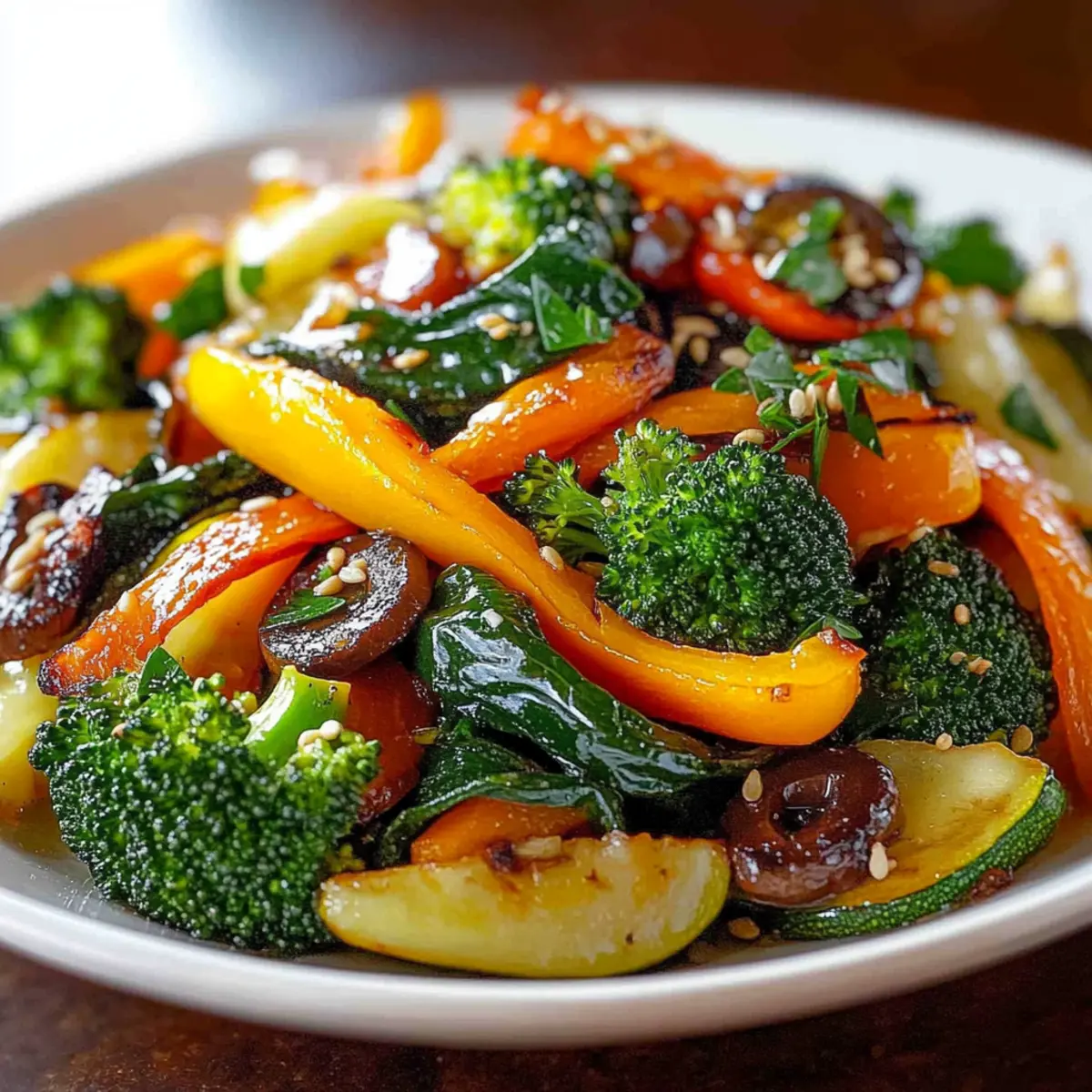
Healthy Sautéed Vegetables Recipe FAQs
What types of vegetables are best for sautéing?
Absolutely! For sautéed vegetables, choose a mix of both harder and softer options. Carrots, broccoli, and bell peppers are fantastic staples, while zucchini and snap peas add freshness. I recommend using seasonal vegetables for the best flavor, ensuring that every bite bursts with nutrition and color.
How should I store leftover sautéed vegetables?
Store leftover Healthy Sautéed Vegetables in an airtight container in the fridge for up to 3–4 days. To maintain their texture, let them cool completely before sealing. If you need a quick side dish for dinner, these leftovers make a fantastic option!
Can I freeze sautéed vegetables?
Very! To freeze, portion your sautéed vegetables into freezer-safe bags or containers after cooling. Ensure to label them with the date, and put them in the freezer where they’ll keep their vibrancy for up to 3 months. When ready to use, thaw overnight in the fridge or microwave, then reheat in a skillet to retain that delectable crunch.
What if my vegetables are soggy after sautéing?
If your sautéed vegetables turn out soggy, it may be due to overcrowding the pan or cooking them for too long. Ensure the pan is large enough to allow space for all ingredients. I find it’s best to sauté in batches if you’re cooking a lot at once. Aim for crisp-tender veggies by following the timing in the recipe.
Are there any dietary considerations for sautéed vegetables?
Absolutely! If you’re serving these Healthy Sautéed Vegetables to family or friends, consider any allergies. Common allergens to be mindful of include garlic and certain nuts if you’re using toppings. For gluten-sensitive diets, using tamari instead of soy sauce can help. This dish is easily adaptable to fit various dietary needs while providing a nutritious meal.
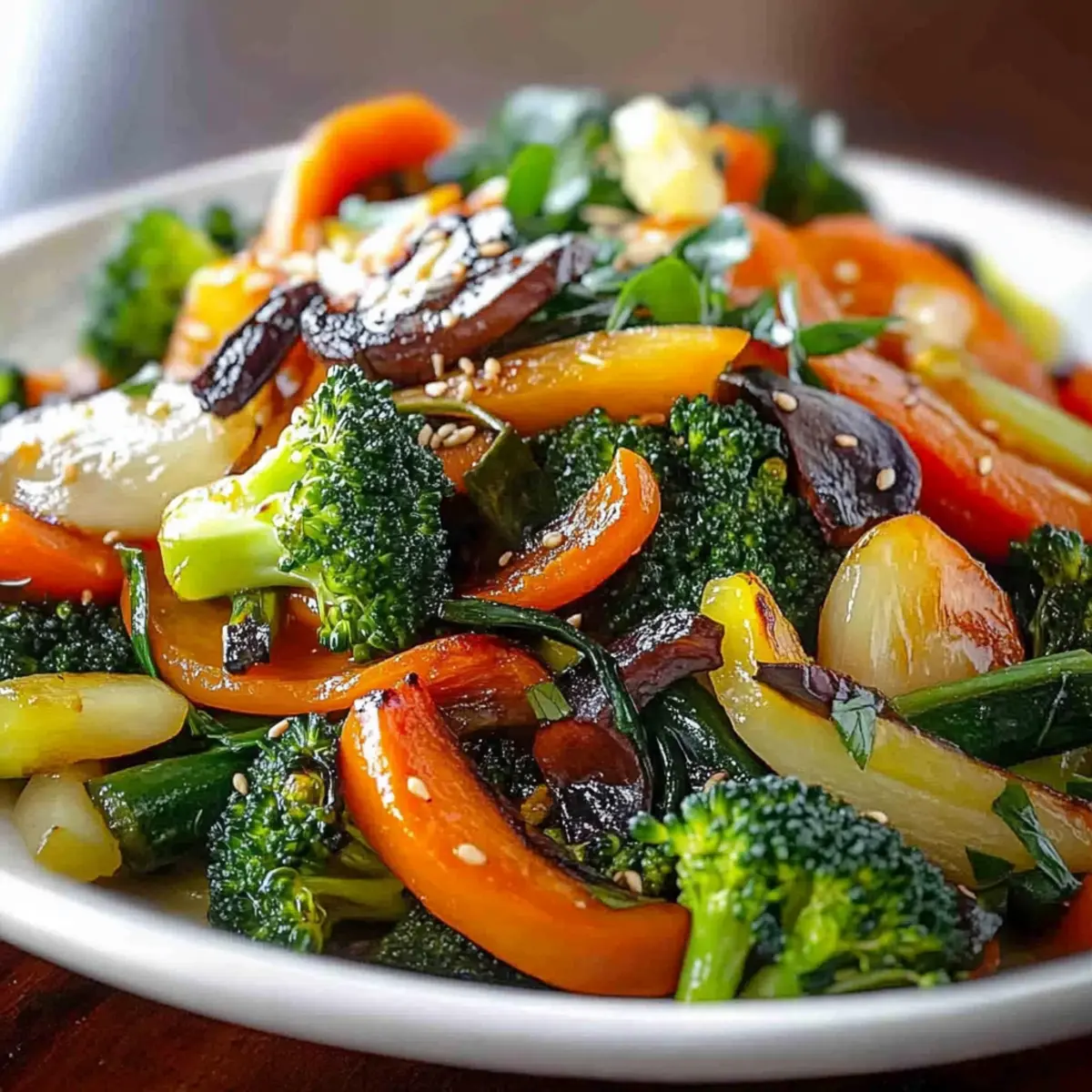
Healthy Sautéed Vegetables for Vibrant Weeknight Dinners
Ingredients
Equipment
Method
- Prep the Vegetables: Wash and peel, then cut vegetables into uniform bite-sized pieces.
- Heat the Pan: Place a skillet over medium-high heat and warm for a couple of minutes. Add olive oil.
- Cook the Aromatics: Add minced garlic and sliced onion to skillet. Sauté for 1–2 minutes until fragrant.
- Add the Harder Vegetables: Introduce carrots and broccoli, sauté for 3–4 minutes until softened.
- Add the Softer Vegetables: Incorporate bell peppers, zucchini, mushrooms, and snap peas. Sauté for another 4–5 minutes.
- Season the Dish: Add salt, black pepper, and optional lemon juice or balsamic vinegar. Stir well.
- Finish & Serve: Toss vegetables, remove from heat, and transfer to a serving dish. Garnish if desired.
Leave a Reply